The healthcare industry is undergoing a digital transformation, with mobile apps playing a crucial role in telemedicine, patient monitoring, hospital management, and fitness tracking. These solutions not only enhance patient engagement and healthcare accessibility but also optimize workflows for medical professionals.
However, healthcare app development is highly complex, requiring strict compliance with regulations like HIPAA, GDPR, and PIPEDA. Security risks are also significant, as healthcare data is 10–20 times more valuable than financial data on the black market. Additionally, seamless integration with Electronic Health Records (EHR), insurance systems, and medical devices is crucial for success.
This article provides a comprehensive overview of healthcare mobile app development, covering:
- The three most common types of healthcare apps and their real-world applications.
- The biggest technical and regulatory challenges developers face.
- A step-by-step approach to building a secure, scalable, and compliant healthcare app.
By the end, you’ll have a detailed roadmap for overcoming security risks, meeting compliance standards, and ensuring seamless system integration.
Why Develop a Healthcare App in 2025?
The global digital health market is expected to exceed $660 billion by 2025, driven by AI, telemedicine, wearable technology, and regulatory support. Here’s why now is the ideal time for healthcare app development.
1. Surge in Telehealth Adoption
The telemedicine market is projected to reach $380.3 billion by 2030, with virtual consultations reducing hospital visits and cutting patient costs.
Key Trends
- AI-powered symptom checkers reduce reliance on in-person doctor visits.
- Remote patient monitoring (RPM) devices enable real-time chronic disease tracking.
- On-demand virtual consultations reduce emergency room overcrowding.
Market Example
Teladoc Health’s revenue increased 4% to $660.5 million from $637.7 million in the fourth quarter of 2022.
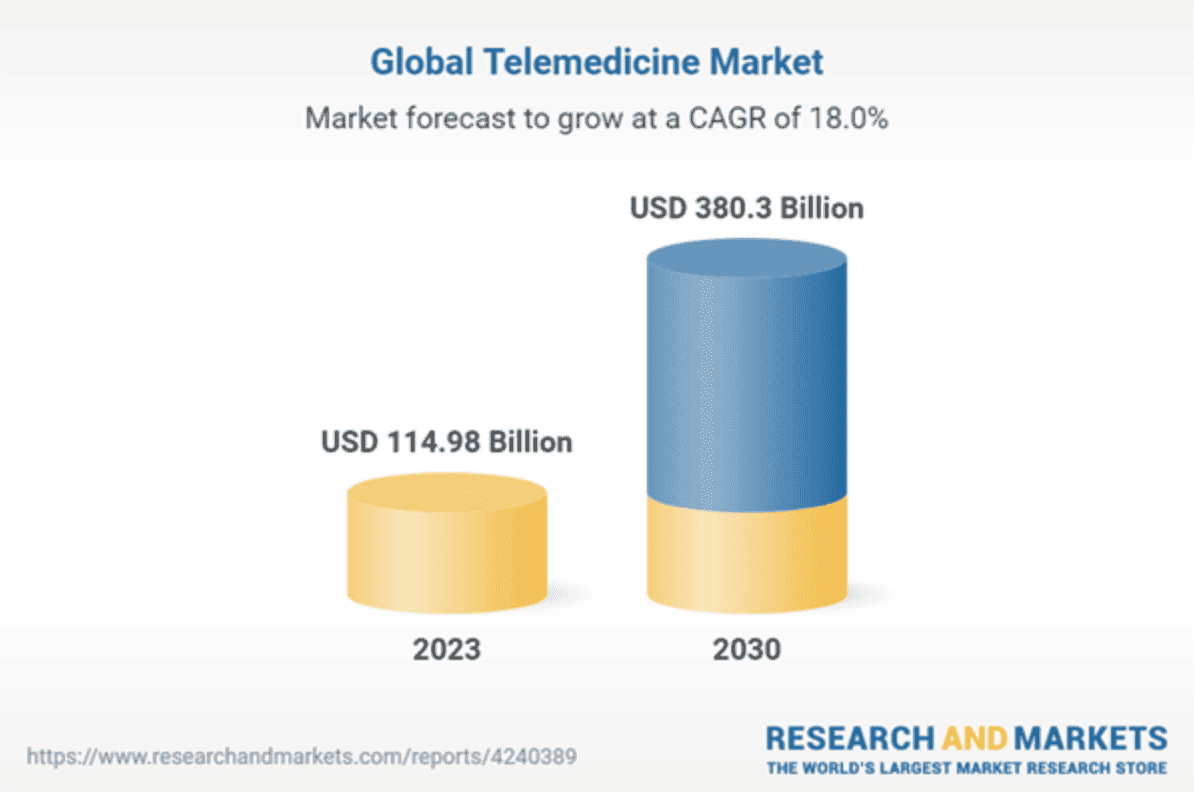
Global Telemedicine Market 2023, Research and Markets
2. Rising Healthcare Costs & The Need for Efficiency
Healthcare spending is expected to reach USD12 trillion by 2040, driving hospitals and clinics to adopt automation and AI-driven solutions to reduce operational costs.
Cost-Saving Innovations
- In Canada, AI-driven medical billing reduces human errors, saving hospitals from USD 9.98 billion to USD 18.53 billion.
- Automated appointment scheduling decreases no-show rates.
- EHR-based digital prescriptions reduce medication errors.
3. AI & Wearable Tech Are Transforming Patient Care
Wearable health devices like the Apple Watch, Fitbit, and Samsung Galaxy Watch continuously track patient vitals, and is expected to be worth around USD156.0 billion by 2032.
Impact on Healthcare
- AI-powered diagnostics predict chronic conditions like heart disease with 70% accuracy.
- Continuous glucose monitoring (CGM) apps reduce diabetes complications.
- AI-generated health recommendations improve patient adherence to treatment plans.
4. Strong Government Support for Digital Healthcare
Governments worldwide are funding digital health initiatives and mandating interoperability to improve healthcare delivery.
Key Regulations & Policies
- HIPAA (US) & GDPR (EU) – Secure patient data management.
- ONC Cures Act (US) – Requires EHR interoperability by 2025.
- NDHM (India) – Establishes a unified digital health ID for all citizens.
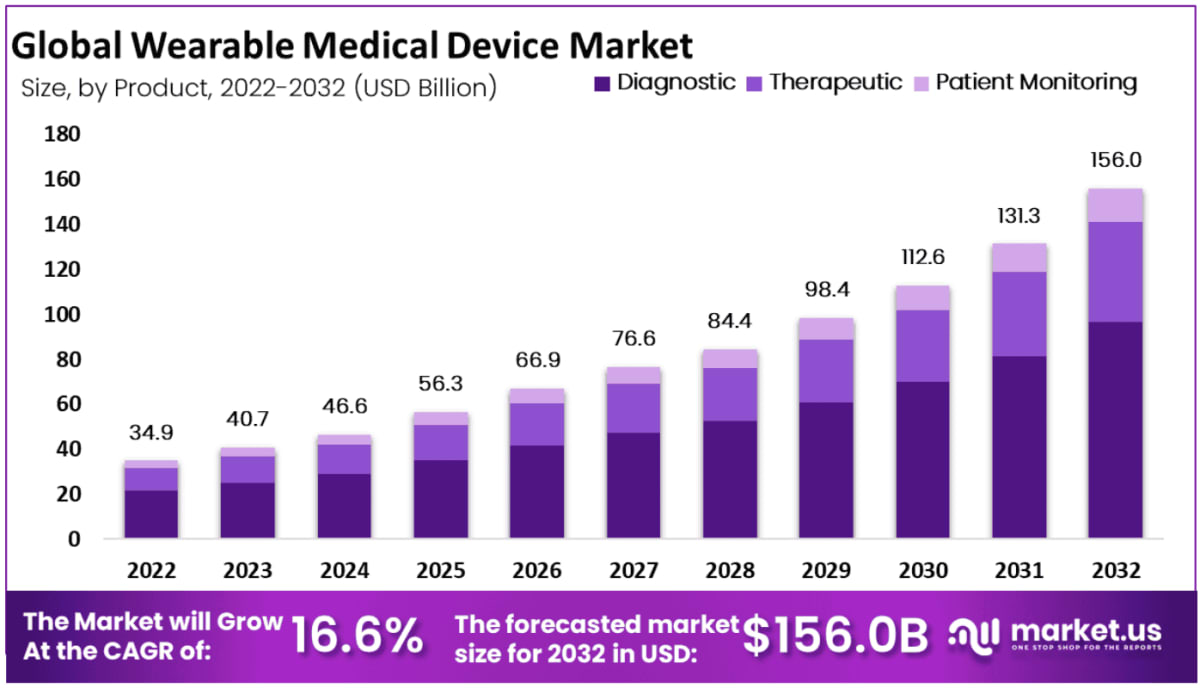
Global Wearable Medical Device Market 2025, Market.us
5. Growing Patient Expectations for Personalized Healthcare
Today’s patients expect AI-driven insights, real-time health tracking, and instant medical access via mobile apps.
Opportunities for App Developers
- AI-powered chatbots handle 60% of routine patient inquiries.
- Predictive analytics recommend personalized treatment plans based on patient history.
- Digital therapeutics (DTx) apps improve mental health and chronic disease management.
Three Common Types of Healthcare Apps and Their Functions
1. Telemedicine & Virtual Consultation Apps
These apps allow patients to consult healthcare providers remotely through video calls, voice calls, or chat, eliminating the need for in-person visits. They are widely used to improve accessibility and convenience, particularly in areas with limited healthcare facilities.
Why They Matter
Many patients, especially those in rural areas, struggle to access specialized doctors. Telemedicine apps provide them with virtual consultations, ensuring they receive medical advice without needing to travel long distances.
- Reducing Unnecessary ER Visits
Emergency rooms often handle non-urgent cases due to a lack of primary care access. Virtual consultations allow patients to determine whether an in-person visit is necessary, reducing hospital overcrowding and lowering costs.
- Addressing Doctor Shortages
Hospitals face limited staff availability, and long patient wait times are common. By handling minor cases remotely, telemedicine apps free up in-person resources for critical patients.
- Lowering Healthcare Costs
Traditional hospital visits involve transportation, registration, and administrative fees. Virtual consultations eliminate many of these costs for both patients and providers.
Key Functions
- Secure Video & Audio Calls
These apps use encryption and HIPAA-compliant technology to protect patient privacy during virtual consultations.
- AI-Powered Symptom Checker
Before connecting with a doctor, patients can input symptoms into an AI-driven system that offers preliminary diagnoses and medical advice.
- E-Prescriptions & Medication Reminders
Doctors can issue prescriptions digitally, which are automatically sent to pharmacies, and patients receive reminders to take medications on time.
- Insurance Integration & Billing
Many apps verify insurance coverage and process payments directly, reducing manual paperwork and claim disputes.
Examples
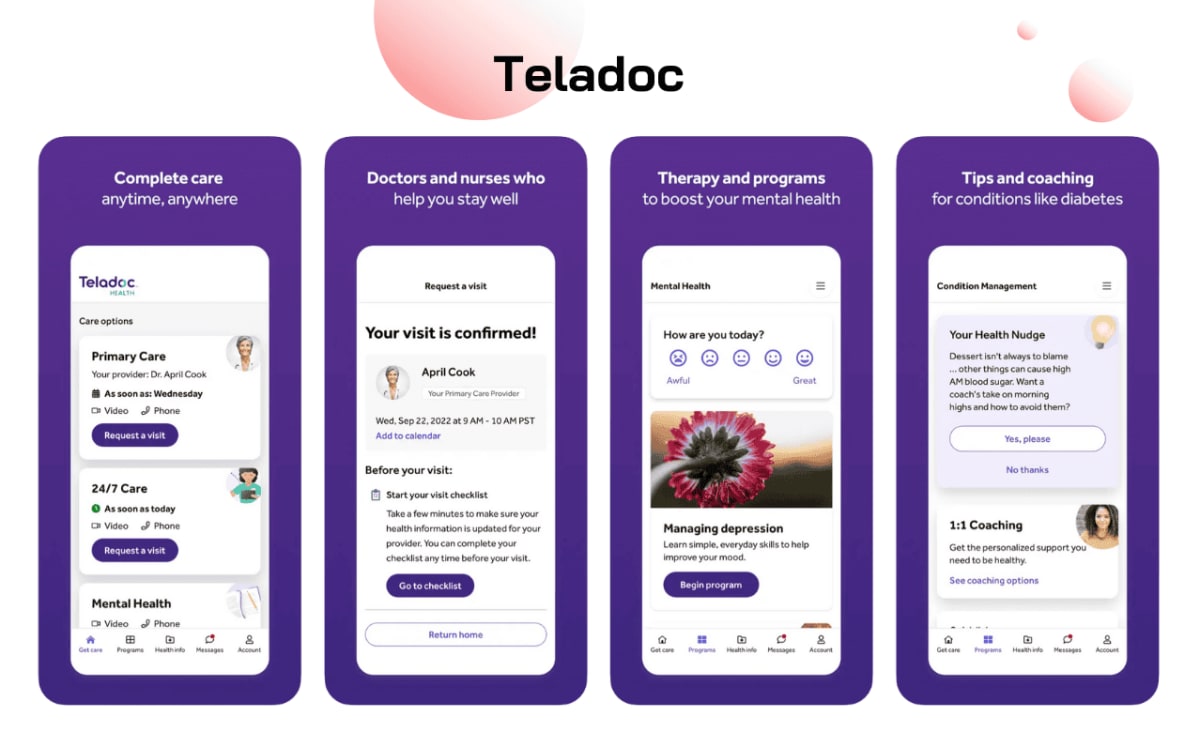
Teladoc Health – Provides 24/7 access to doctors for general health, dermatology, and mental health consultations.
MDLIVE – Specializes in online therapy, dermatology, and urgent care for non-emergency conditions.
2. Health & Fitness Tracking Apps
These apps focus on preventive healthcare, helping users track physical activity, sleep, heart rate, and overall wellness. They often sync with wearable devices and smartphone sensors to provide real-time health data.
Why They Matter
- Preventing Chronic Diseases
Many lifestyle diseases, such as diabetes, obesity, and cardiovascular conditions, can be prevented with regular exercise and healthy habits. These apps help users maintain routines by tracking workouts, nutrition, and sleep patterns.
- Providing Data-Driven Insights
Most people don’t realize how their daily habits impact their health. These apps collect real-time data on movement, calorie intake, and sleep, helping users make informed adjustments.
- Encouraging Consistency Through Gamification
To keep users engaged, many apps incorporate features like step challenges, rewards, and personalized goals, making health management more interactive and sustainable.
Key Functions
Uses GPS and motion sensors to measure daily movement, including steps taken, running distance, and calories burned.
- Sleep & Heart Rate Monitoring
Tracks sleep cycles and resting heart rates, identifying patterns that could indicate stress or health risks.
- AI-Based Health Recommendations
Provides personalized workout plans, diet suggestions, and habit improvement tips based on user activity data.
- Wearable Device Integration
Syncs with smartwatches (Apple Watch, Fitbit, Garmin, etc.) to enhance accuracy in tracking fitness and health metrics.
Examples
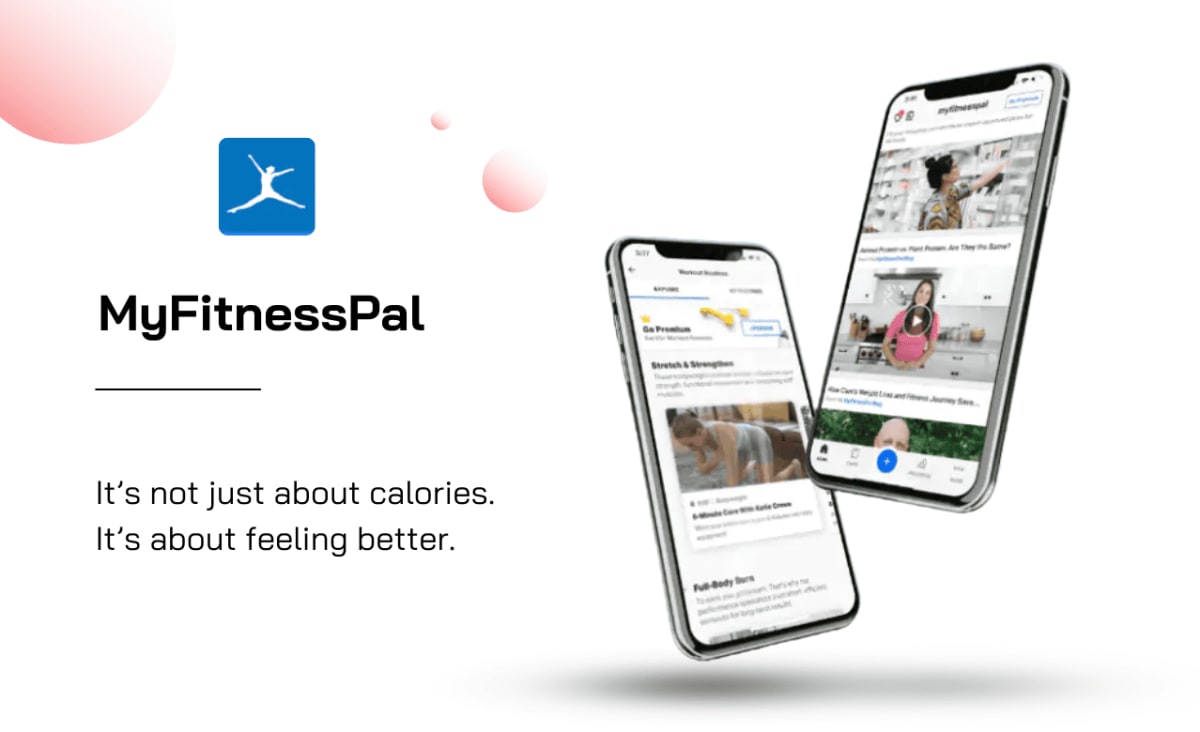
MyFitnessPal – Tracks food intake, macronutrients, and fitness activities while offering personalized diet plans.
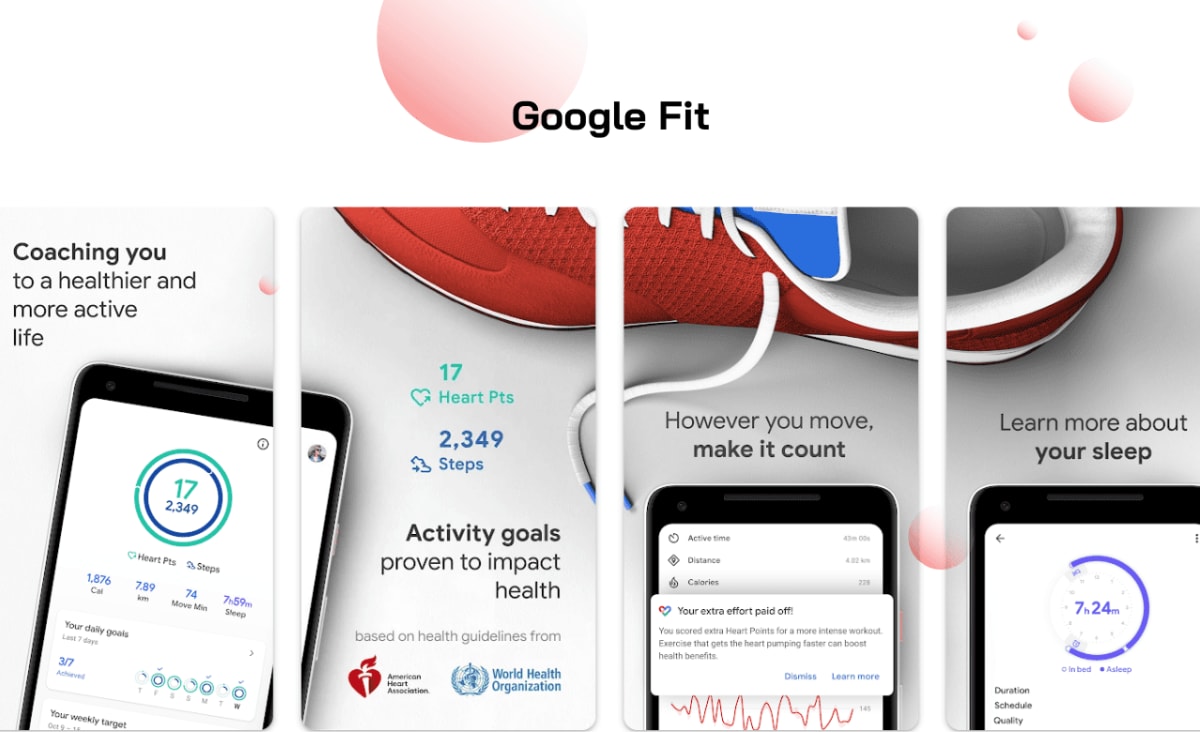
Google Fit – Uses AI to recommend personalized movement goals and track progress over time.
3. Electronic Health Record (EHR) & Medical Management Apps
These apps serve hospitals and clinics by digitizing patient records, automating administrative tasks, and improving healthcare efficiency. They help doctors and medical staff manage patient data securely and streamline workflows.
Why They Matter
Traditional paper-based records are prone to misinterpretation, data loss, and human error. EHR apps store medical data digitally, improving accuracy and minimizing mistakes in diagnosis and prescriptions.
- Enhancing Hospital Efficiency
Hospitals handle thousands of patients daily, making manual record-keeping inefficient. EHR apps automate scheduling, documentation, and report generation, reducing administrative burdens.
- Ensuring Compliance with Regulations
Healthcare institutions must adhere to strict data protection laws like HIPAA (US) and GDPR (Europe). EHR apps come with encryption, access controls, and audit trails to ensure compliance and patient confidentiality.
Key Functions
- Centralized Patient Records
Doctors can instantly access medical histories, prescriptions, and test results, leading to more informed decision-making.
- Appointment Scheduling & Reminders
Automates booking, sends reminders, and reduces missed appointments, improving hospital efficiency.
Uses big data and AI algorithms to analyze patient health trends and predict potential conditions before symptoms become severe.
- Billing & Insurance Processing
Automates claim submissions and insurance verification, reducing errors and speeding up reimbursements.
Examples
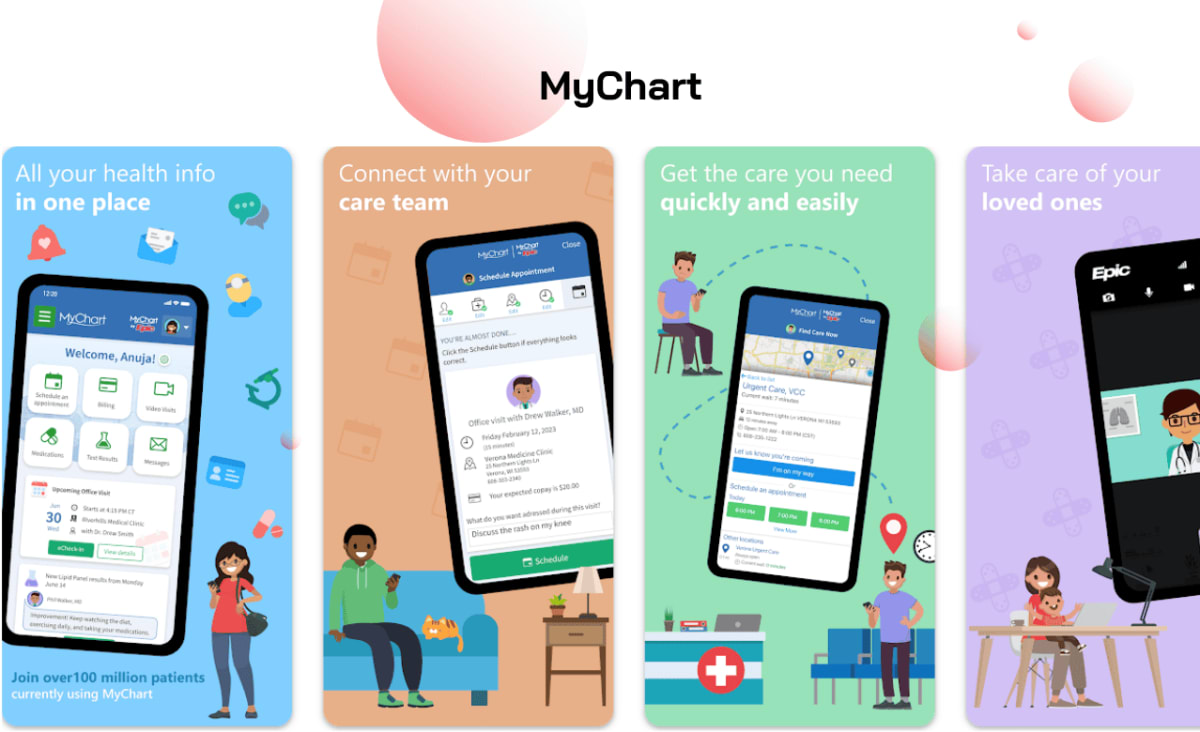
MyChart – Allows patients to securely view medical records, lab results, and prescriptions.
AthenaHealth – Cloud-based EHR system for managing patient records, billing, and administrative tasks.
Key Insights in Healthcare Mobile App Development
Creating a secure, compliant, and user-friendly healthcare mobile app requires strict adherence to medical regulations, robust security measures, and key features that enhance patient care. Any oversight in these areas can lead to data breaches, legal penalties, and poor adoption rates. Below are critical areas developers must focus on to build a successful healthcare app.
1. Compliance with Medical Regulations
Since healthcare apps handle protected health information (PHI), regulatory compliance is mandatory to prevent privacy violations, legal action, and financial penalties. Developers must adhere to global and regional laws governing data storage, access control, and information exchange.
Why Compliance is Critical
- Legal & Financial Protection: Non-compliance can result in fines exceeding $25,000 annually for HIPAA violations alone. GDPR breaches can lead to penalties of €20 million or 4% of annual revenue.
- User Trust & Adoption: A single data leak or unauthorized access can permanently damage user confidence, making it difficult for apps to retain patients and healthcare providers.
- Seamless Market Entry: Compliance ensures that an app can operate in multiple countries without legal barriers. For example, an FDA-approved telehealth app in the U.S. can be expanded globally by meeting GDPR and HIPAA standards.
Key Healthcare Regulations & Their Impact
- HIPAA (USA): Requires secure data storage, controlled access, and end-to-end encryption to prevent unauthorized access to patient records. It also mandates an audit trail to track all access attempts.
- GDPR (EU): Gives users full control over their personal health data. Apps must obtain explicit consent before collecting data and allow users to view, modify, or delete their records upon request.
- HL7 & FHIR Standards: Enable interoperability between hospitals, pharmacies, and insurance providers. Apps that follow these standards ensure faster and more accurate medical record exchange, reducing treatment errors.
- FDA (USA) & MDR (EU): Regulate medical device apps that provide diagnostic recommendations, ensuring that AI-based apps are clinically validated before launch.
How to Ensure Compliance
Data Encryption & Secure Storage
- Implement AES-256 encryption for both data at rest and in transit to prevent unauthorized access.
- Store data on HIPAA- and GDPR-compliant cloud servers like AWS HealthLake or Microsoft Azure for Healthcare.
- Use tokenization to replace sensitive patient information with non-sensitive placeholders.
Multi-Factor Authentication (MFA) & Secure Login
- Implement biometric authentication (fingerprint, facial recognition) along with one-time passwords (OTP).
- Use OAuth 2.0 or OpenID Connect (OIDC) for secure user authentication without storing passwords.
Access Control Policies (Role-Based Access Control - RBAC)
- Restrict access based on user roles (e.g., patients, doctors, nurses, insurance providers).
- Implement time-restricted and location-based access controls to prevent unauthorized logins.
Audit Logs & Activity Monitoring
- Maintain detailed access logs tracking who accessed patient data, when, and why.
- Deploy AI-powered anomaly detection to flag unusual data access patterns that may indicate a security breach.
Explicit Patient Consent & Data Management
- Ensure transparent data policies, allowing users to review, modify, or delete their health data per GDPR regulations.
- Implement a consent management dashboard where users can opt in or out of data-sharing agreements.
2. Essential Features for a Successful Healthcare App
A successful healthcare app must be secure, easy to navigate, and feature-rich. It should improve patient care, streamline workflows, and enhance accessibility while ensuring compliance with industry standards.
2.1. Secure User Authentication & Data Protection
- Uses end-to-end encryption (E2EE) to secure patient records from hackers and cyberattacks.
- Implements zero-trust security models, where users must re-authenticate for high-risk actions (e.g., sharing medical records).
Why It Matters: Protects patient privacy, ensures compliance with HIPAA/GDPR, and prevents identity theft.
2.2. Appointment Scheduling & Virtual Consultations
- Offers real-time scheduling, doctor availability tracking, and telemedicine video calls via secure WebRTC protocols.
- Provides automated reminders via push notifications, SMS, or email to reduce no-show rates.
Why It Matters: Reduces hospital congestion, minimizes waiting times, and expands access to patients in remote areas.
2.3. AI-Powered Symptom Checker & Medical Chatbots
- Uses machine learning models to analyze symptoms and suggest possible conditions before seeing a doctor.
- Can integrate with IBM Watson Health or Google Health AI for accurate diagnostics.
Why It Matters: Helps users decide if they need immediate medical attention, reducing unnecessary ER visits.
2.4. E-Prescription & Medication Management
- Doctors can issue digital prescriptions, integrated with pharmacies for direct order fulfillment.
- AI-driven medication reminders adjust based on real-time adherence tracking.
Why It Matters: Reduces prescription errors, prevents medication non-adherence, and improves treatment outcomes.
2.5. Electronic Health Record (EHR) Integration
- Connects with hospital databases, pharmacies, and insurance providers for real-time patient record access.
- Supports HL7 FHIR APIs for seamless data exchange between healthcare institutions.
Why It Matters: Eliminates paperwork, speeds up diagnosis, and prevents treatment delays.
2.6. Insurance & Billing Automation
- Automates insurance verification, co-pay calculations, and claims submission.
- Uses blockchain-based smart contracts to ensure transparent billing and fraud prevention.
Why It Matters: Reduces manual paperwork, speeds up reimbursements, and improves cost transparency.
2.7. Wearable Device Integration & Remote Monitoring
- Syncs with Apple HealthKit, Google Fit, Fitbit, and medical IoT devices to track vitals like heart rate, glucose levels, and oxygen saturation.
- Uses AI-driven predictive analytics to detect early signs of chronic diseases.
Why It Matters: Enables real-time patient monitoring, reduces hospital readmissions, and provides proactive healthcare interventions.
2.8. Emergency Response & Telemedicine Integration
- Offers one-tap SOS buttons for emergency assistance, connecting users to ambulances or emergency contacts.
- Uses GPS tracking to share real-time locations with paramedics and family members.
Why It Matters: Reduces emergency response times, saving critical minutes in life-threatening situations.
Challenges in Healthcare Mobile App Development
Developing a secure, efficient, and scalable healthcare mobile app comes with significant challenges. These apps handle sensitive patient data, require seamless interoperability, and must comply with strict medical regulations. Failure to address these challenges can lead to data breaches, operational inefficiencies, and compliance violations.
1. Data Security & Privacy Risks
Healthcare apps store EHRs, medical histories, and prescription details, making them prime targets for cyberattacks. Unauthorized access to patient data can result in identity theft, fraud, and severe legal penalties.
Why This is a Major Concern
- Frequent Cyberattacks: The healthcare sector is among the top industries targeted by hackers. In 2023, over 133 million healthcare records were exposed due to data breaches.
- Regulatory Fines & Lawsuits: Non-compliance with HIPAA (US) and GDPR (EU) can result in penalties of up to $20 million per violation.
- User Trust & Adoption: A single security breach can lead to loss of patient confidence and widespread app abandonment.
How to Address This Challenge
End-to-End Encryption (E2EE)
- Encrypt patient data both at rest and in transit using AES-256 encryption.
- Use TLS 1.3 protocols for secure communication between app servers and devices.
- Implement zero-trust architecture, ensuring that even internal employees cannot access unencrypted data.
Multi-Factor Authentication (MFA)
- Require two-factor authentication (2FA) using biometrics (fingerprint/face recognition) or one-time passwords (OTP).
- Implement adaptive authentication, which triggers extra security checks for high-risk activities, such as accessing medical records from a new device.
Regular Security Audits & Penetration Testing
- Conduct quarterly penetration tests to identify and fix vulnerabilities before hackers exploit them.
- Implement continuous monitoring using SIEM (Security Information and Event Management) tools to detect suspicious activity in real time.
Role-Based Access Control (RBAC)
- Restrict data access based on user roles (patients, doctors, administrators).
- Implement granular permissions, ensuring that each role can only access the information necessary for their function.
HIPAA- & GDPR-Compliant Cloud Storage
2. Integration with Existing Healthcare Systems
Many healthcare providers still use outdated or fragmented IT systems, making it difficult to integrate modern mobile apps. Without proper integration, medical staff may struggle to access patient records, leading to delayed treatments, misdiagnoses, and inefficiencies.
Why This is a Major Challenge
- Legacy Systems Still in Use: Hospitals often rely on decades-old EHR systems that lack modern APIs.
- Inconsistent Data Formats: Different healthcare providers store data in incompatible formats, making seamless information exchange difficult.
- Slow & Costly Integration: Developing custom connectors for each hospital system increases costs and delays deployment.
How to Solve This Issue
Adopt HL7 & FHIR Standards for Data Interoperability
Develop Custom APIs for Compatibility
- Build RESTful APIs that act as a bridge between legacy hospital systems and modern healthcare apps.
- Implement middleware solutions, such as Mirth Connect or Redox, to standardize data flow.
Cloud-Based Interoperability Solutions
- Use Google Cloud Healthcare API or AWS HealthLake to convert and store medical records in FHIR-compatible formats.
- Leverage blockchain-based health record systems for secure and tamper-proof data exchange.
Automated Data Synchronization
- Develop real-time syncing mechanisms to update patient records across mobile apps, hospital databases, and insurance systems.
- Implement event-driven architecture (Kafka, RabbitMQ) to ensure data consistency without manual intervention.
How to Build a Healthcare Mobile App
Creating a healthcare mobile app requires careful planning, regulatory compliance, strong security measures, and a user-friendly experience. This guide outlines the essential steps to build a secure, scalable, and compliant healthcare app that meets patient and provider needs.
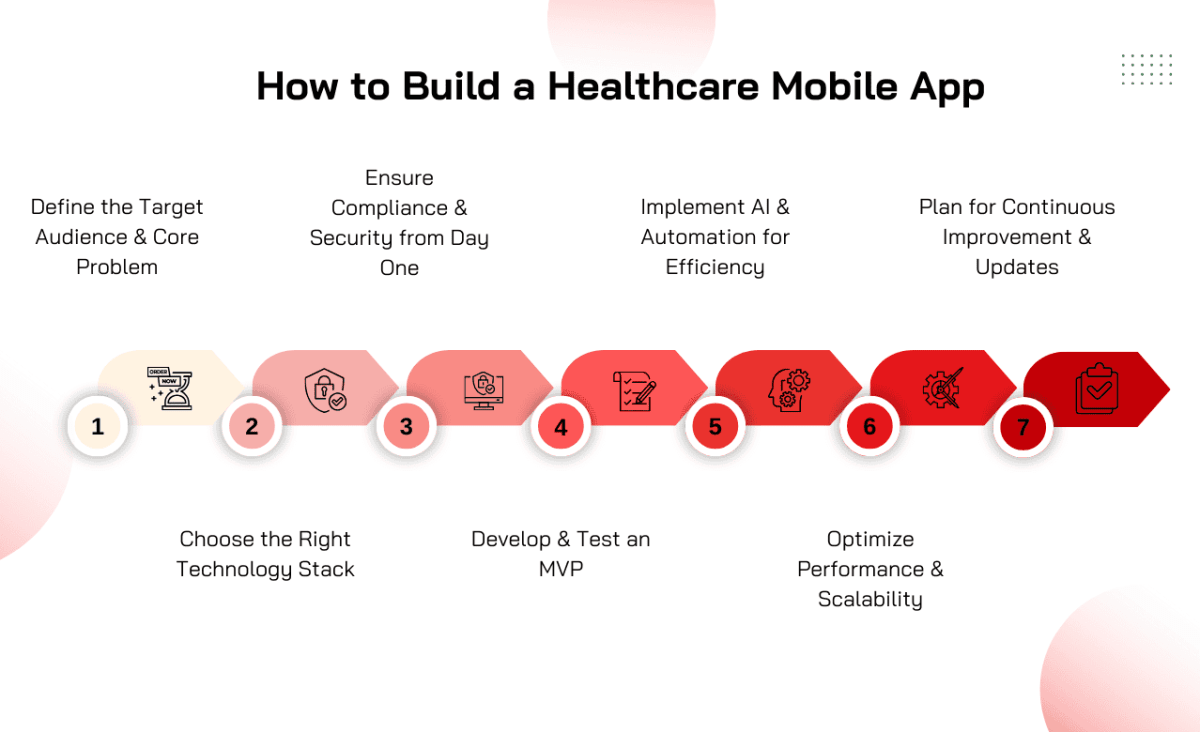
Step 1: Define the Target Audience & Core Problem
A successful healthcare app must solve real pain points for its users. Whether it's for patients, doctors, caregivers, or hospital administrators, each group has different challenges.
How to Identify the Right Users and Their Needs
- Patients – Need easy access to medical services, appointment scheduling, medication tracking, and virtual consultations.
- Doctors & Nurses – Require secure access to patient records, communication tools, and streamlined workflow management.
- Hospitals & Clinics – Need integration with existing Electronic Health Records (EHR) systems, compliance with regulations, and secure data handling.
- Pharmacies & Insurers – Require prescription management, billing solutions, and real-time insurance verification.
How to Conduct Market Research
- User Interviews & Surveys: Talk to patients and medical professionals to uncover daily pain points.
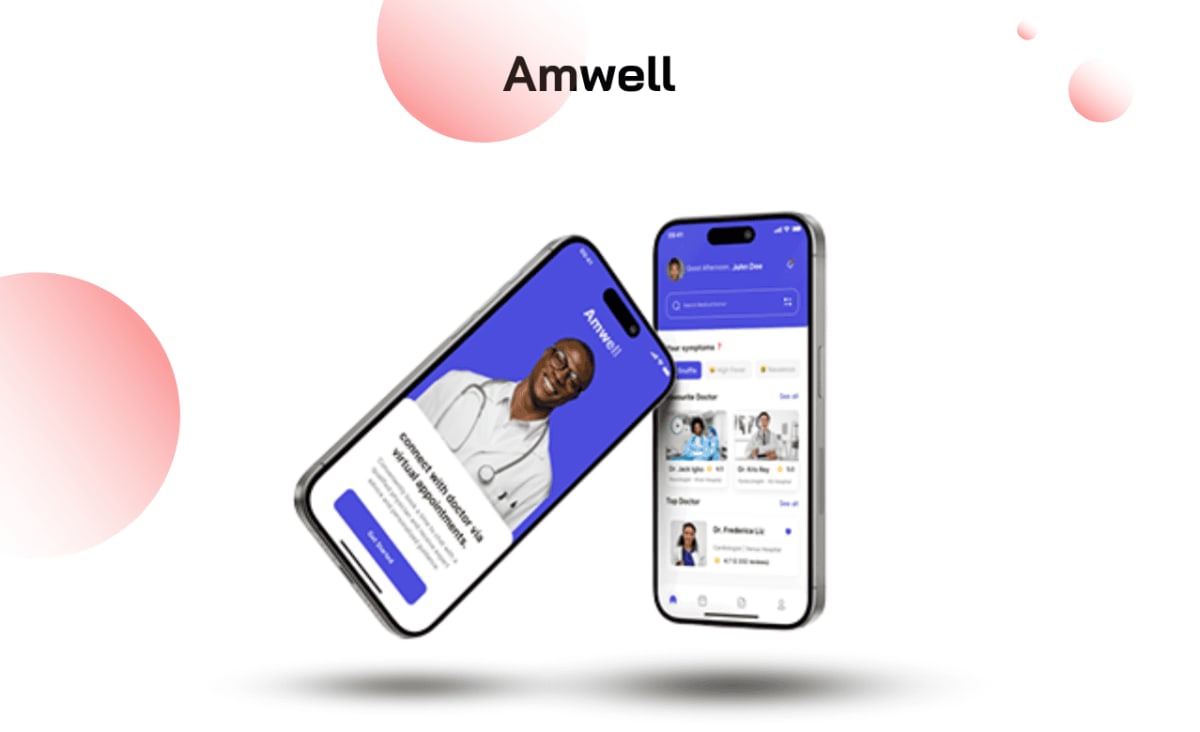
- Competitor Analysis: Evaluate existing apps (like Teladoc, Amwell, and MyChart) to identify what works and where gaps exist.
- Regulatory & Compliance Research: Understand regional laws (HIPAA, GDPR, HL7/FHIR standards) to avoid legal roadblocks.
Example: If research shows that patients struggle with medication adherence, the app should include automated reminders, refill alerts, and doctor notifications for missed doses.
Step 2: Choose the Right Technology Stack
A healthcare app must handle sensitive patient data, provide seamless performance, and ensure security. Choosing the right technology stack is critical to meeting these requirements.
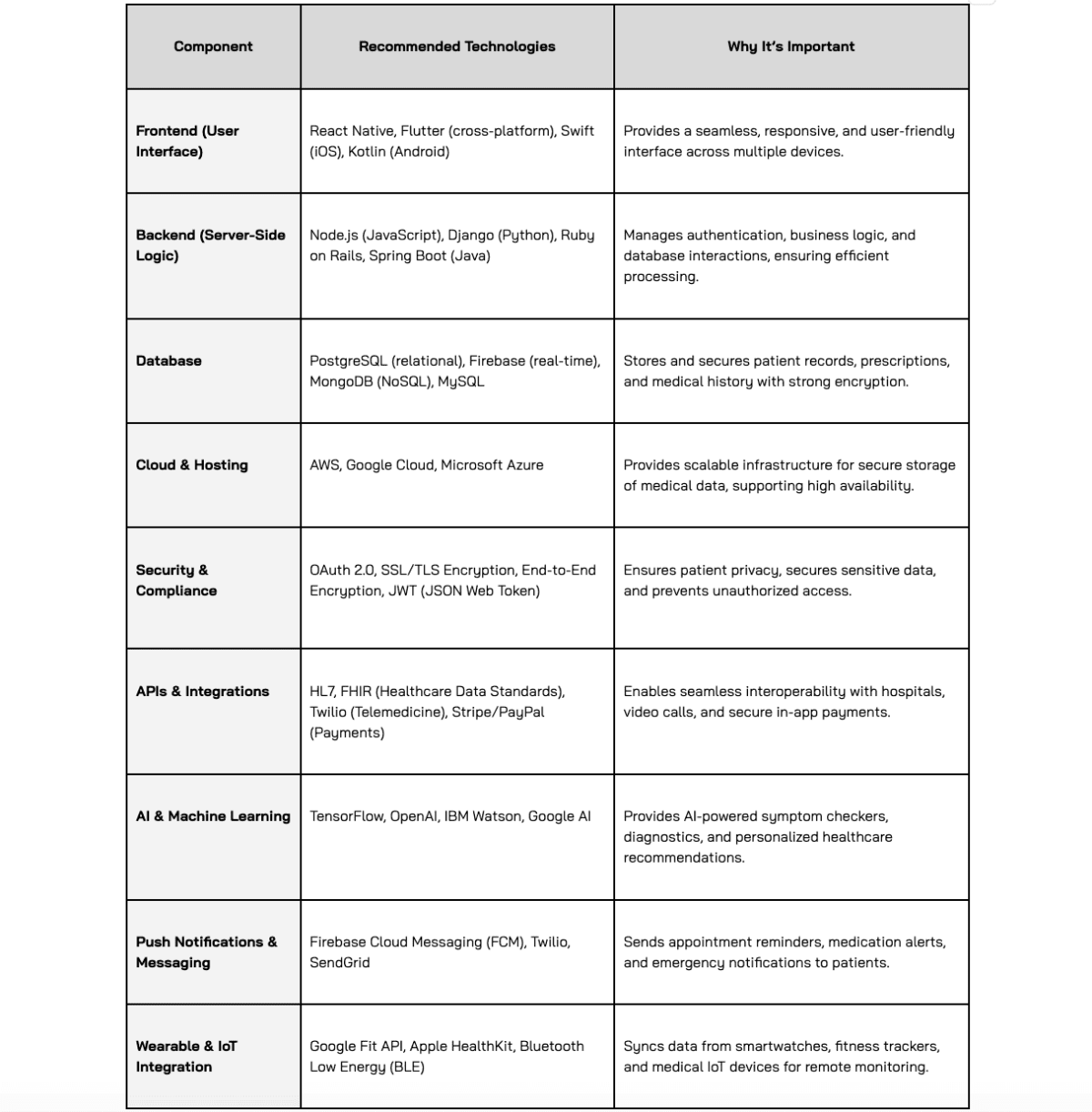
Example: A telemedicine app needs secure video conferencing, so using Twilio's HIPAA-compliant video API ensures private, end-to-end encrypted doctor-patient communication.
Step 3: Ensure Compliance & Security from Day One
Healthcare apps must meet strict regulatory requirements to avoid legal consequences, fines, and reputational damage. Compliance should be integrated from the beginning, not as an afterthought.
Key Security Practices for Healthcare Apps
- End-to-End Encryption: Ensures all data (messages, medical records) is encrypted in storage and transmission.
- Multi-Factor Authentication (MFA): Requires biometric login, OTPs, or device authentication for added security.
- Token-Based Authentication (OAuth 2.0, JWT): Protects user sessions from unauthorized access.
- Automated Data Backups & Disaster Recovery Plans: Prevents data loss in case of server failures or cyberattacks.
- Regular Penetration Testing & Security Audits: Identifies vulnerabilities before hackers exploit them.
Example: If a patient health app stores medical history and prescriptions, it must use AES-256 encryption and RBAC to ensure only doctors and authorized users have access.
Step 4: Develop & Test an MVP
A Minimum Viable Product (MVP) helps test essential features, collect real user feedback, and refine the app before scaling.
Must-Have Features for an MVP Healthcare App
- Secure User Authentication: Supports biometrics, MFA, and encrypted login credentials.
- Appointment Scheduling & Telehealth: Enables patients to book visits and attend video consultations.
- Electronic Health Records (EHR) Integration: Allows doctors to access and update patient records securely.
- Prescription Management & Medication Reminders: Sends notifications for refills and missed doses.
- HIPAA/GDPR Compliance Measures: Implements role-based access control, encryption, and consent management.
Step 5: Implement AI & Automation for Efficiency
Integrating AI and automation can enhance healthcare app functionality, improve diagnostic accuracy, and streamline processes.
Key AI & Automation Features
- AI-Powered Symptom Checker
Uses machine learning to analyze user-reported symptoms and suggest possible conditions before an appointment.
- Automated Appointment Scheduling
Uses AI to find the best available time slots based on doctor availability and patient preferences.
- AI-Based Medical Transcription
Converts doctor-patient conversations into structured EHR notes, reducing manual documentation.
- Chatbots for 24/7 Patient Support
Answers common medical queries, guides users through symptom assessment, and provides medication reminders.
Example: A telemedicine app can integrate AI chatbots to handle initial consultations, reducing wait times for doctors and improving patient experience.
Step 6: Optimize Performance & Scalability
A healthcare app must handle a growing number of users while maintaining fast response times and high availability.
Strategies for Performance & Scalability
- Optimize API Calls
Reduce redundant requests by caching patient data securely to speed up retrieval.
- Asynchronous Processing
Queue background tasks like prescription verification and claims processing to prevent app slowdowns.
- Auto-Scaling Cloud Infrastructure
Use AWS Auto Scaling or Kubernetes to handle peak traffic (e.g., during flu season or pandemic surges).
- Edge Computing for Real-Time Data Processing
Offload critical operations like ECG monitoring and glucose level tracking to edge servers for instant analysis.
Example: A remote patient monitoring app can use edge computing to process vital signs locally, reducing latency and providing faster alerts to doctors.
Step 7: Plan for Continuous Improvement & Updates
Healthcare technology and regulations change frequently, requiring regular app updates and feature enhancements.
Ongoing Improvement Plan:
- Security & Compliance Updates
Regularly audit and patch vulnerabilities to stay compliant with HIPAA, GDPR, and emerging data protection laws.
Track how patients and doctors interact with the app to identify pain points and optimize UX.
- Wearable & IoT Integration
Expand functionality by syncing with smartwatches, glucose monitors, and ECG devices for continuous health tracking.
- Customizable Patient Dashboards
Allow users to personalize their health data display, medication reminders, and doctor recommendations.
Example: If data shows that 80% of users check their medication reminders in the morning, an update can introduce smart notifications that adjust to their daily habits.
Cost of Healthcare Mobile App Development
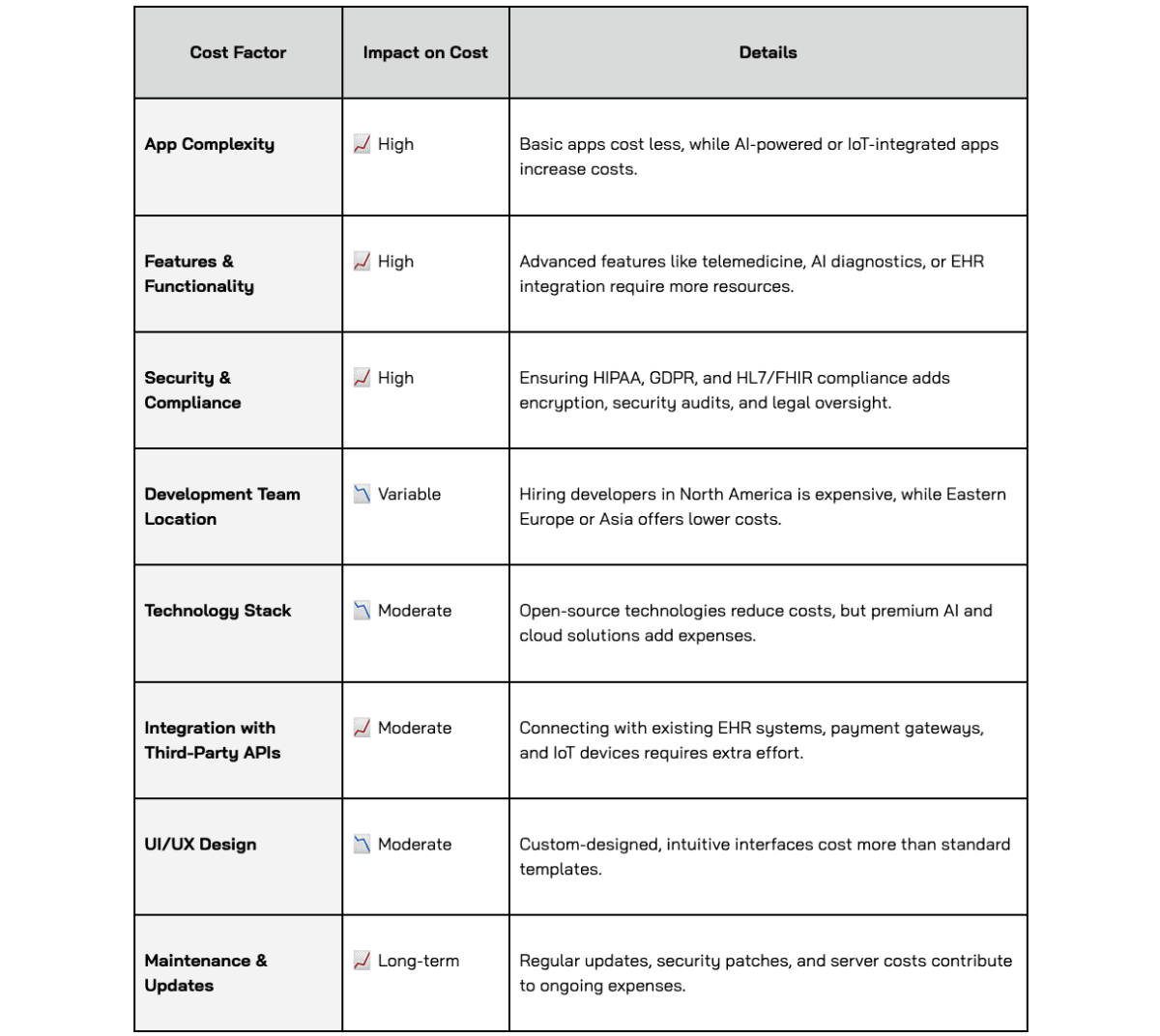
The cost of developing a healthcare mobile app depends on multiple factors, including app complexity, features, compliance requirements, development team location, and technology stack. Below is a detailed breakdown of the key cost drivers and estimated price ranges for different types of healthcare apps.
Key Factors Affecting Development Cost
Estimated Cost Breakdown by App Type
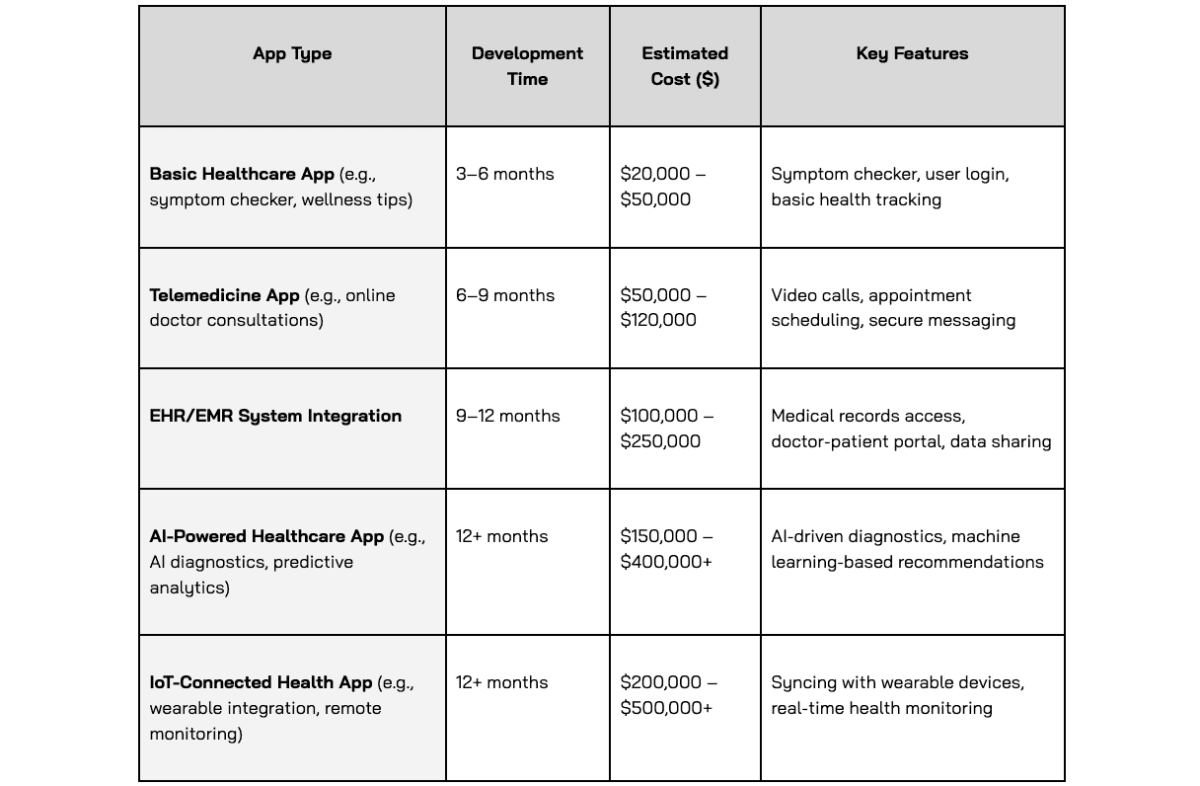
Hidden Costs to Consider
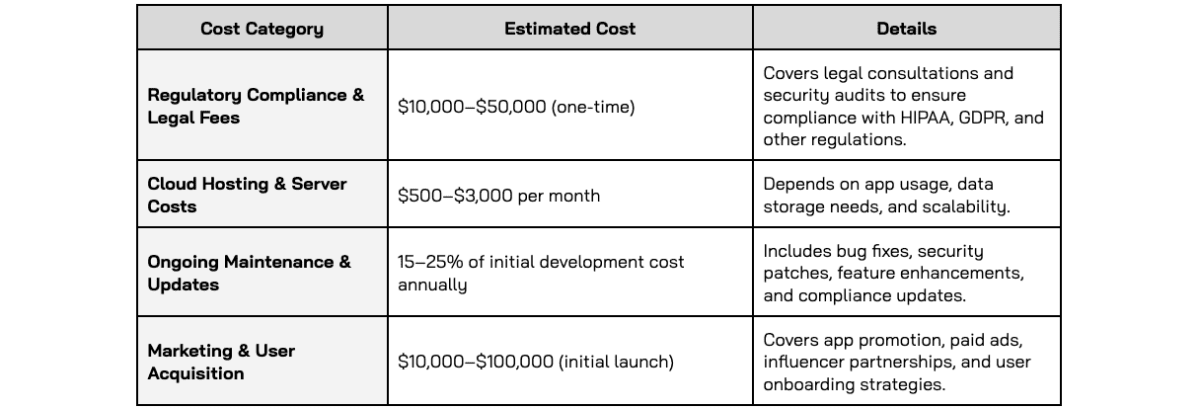
How to Optimize Development Costs
- Start with an MVP (Minimum Viable Product): Build essential features first, then expand based on user feedback.
- Use Pre-Built APIs & Open-Source Solutions: Reduces development time and cost.
- Outsource Development to Cost-Effective Regions: Hiring teams in Eastern Europe, Latin America, or Asia can cut costs by 40–60%.
- Choose Scalable Cloud Solutions: Cloud services like AWS or Google Cloud prevent unnecessary infrastructure expenses.
Developing a healthcare mobile app is a significant investment, but a well-planned development approach can ensure cost efficiency while maintaining high security and performance standards.
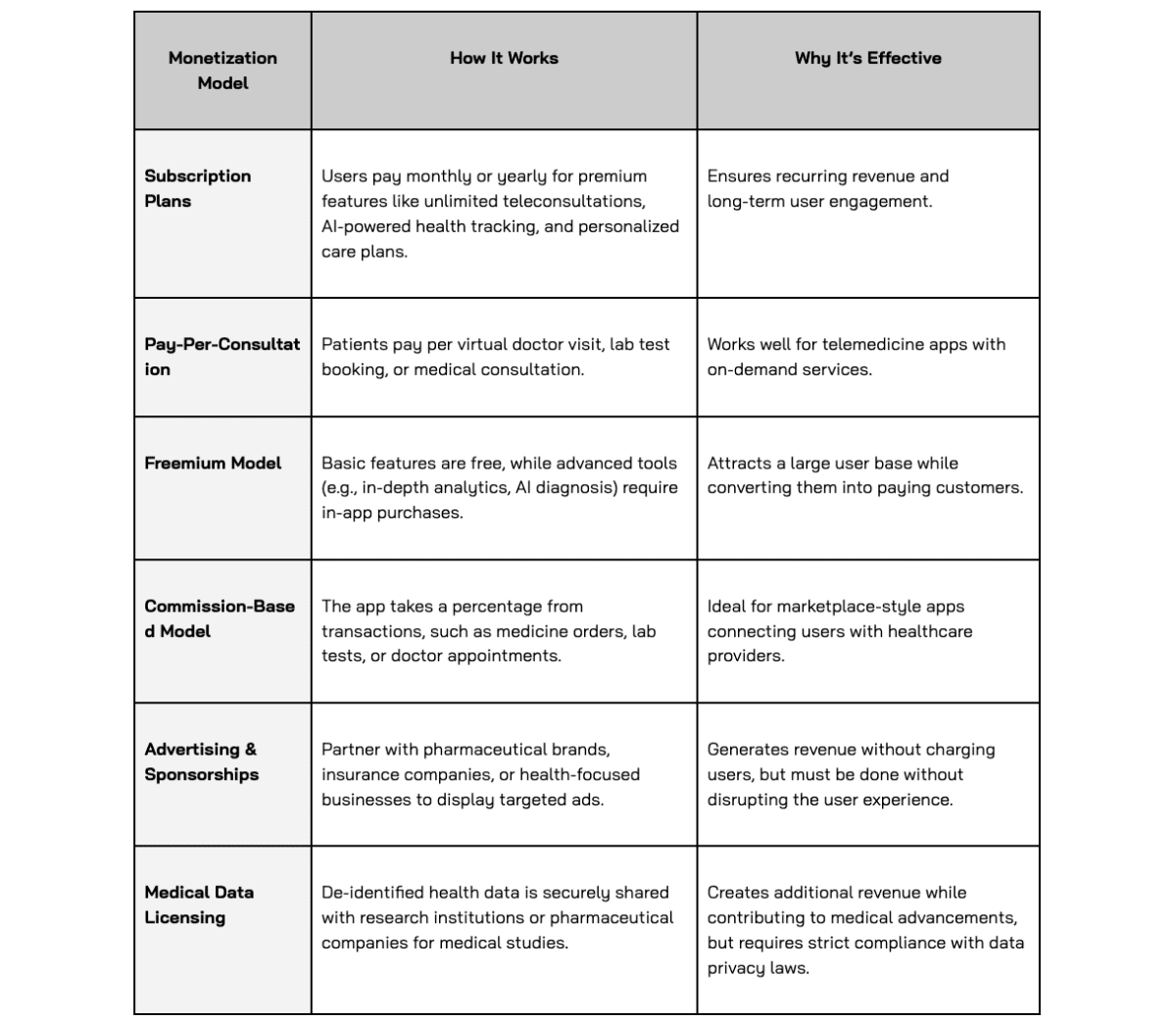
How to Monetize Your Healthcare App in 2025
With the growing adoption of digital health solutions, healthcare apps present significant revenue opportunities. However, monetizing them effectively requires a strategy that balances profitability with user value while ensuring compliance with healthcare regulations. Below are the most common and effective monetization models:
INNOMIZE – Your Trusted Partner for Healthcare Mobile App Development
At INNOMIZE, we specialize in developing secure and scalable healthcare mobile apps that enhance patient care and streamline operations. With expertise in cross-platform development, cloud infrastructure, and healthcare integrations, we help businesses build innovative solutions that meet industry standards.
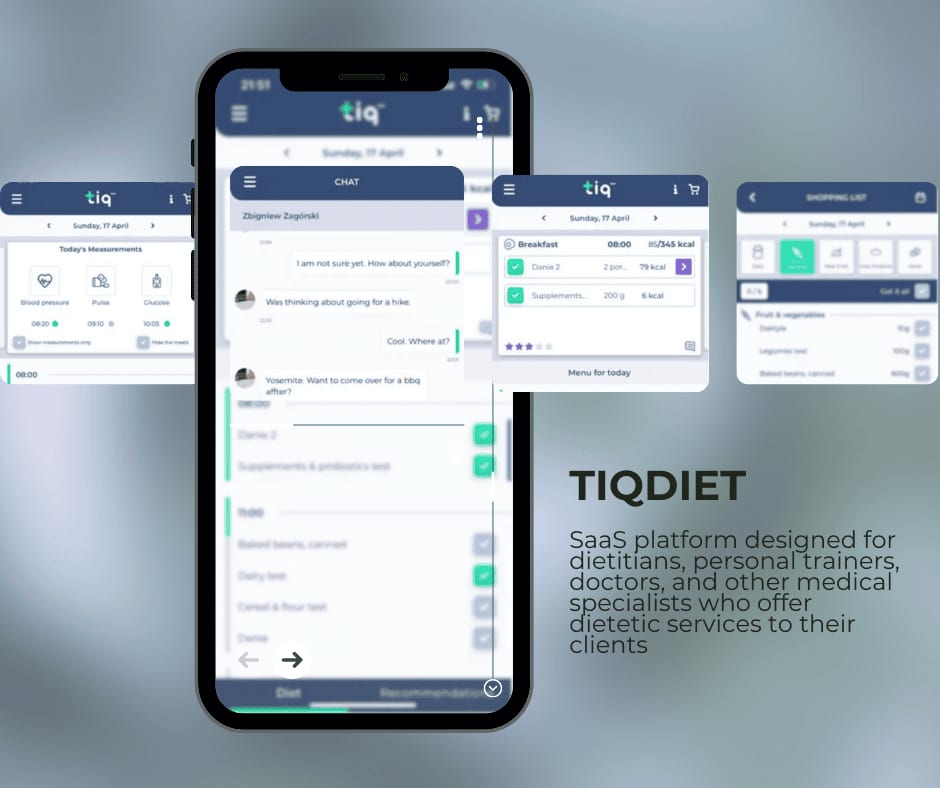
INNOMIZE has a proven track record of delivering high-performance healthcare applications. We rebuilt TiqDiet, a SaaS platform for dietitians and medical specialists, using React Native to reduce costs and improve performance. We also partnered with CareAide, a medication and health management app, to redesign its architecture with Azure, microservices, and CI/CD pipelines, ensuring better scalability and efficiency.
Looking to build a reliable healthcare app? Let’s bring your vision to life!