The software development landscape is experiencing a seismic shift. What once required hours of manual coding can now be accomplished in minutes with the help of artificial intelligence. As we navigate through 2025, AI-driven software development has moved from experimental technology to mainstream adoption, fundamentally changing how developers write, test, and deploy code.
The Current State of AI in Software Development
The adoption of AI in software development has reached unprecedented levels. According to Stack Overflow's 2024 Developer Survey, 63% of professional developers currently use AI in their development process, with another 14% planning to adopt it soon. This represents a massive shift in how the industry approaches code creation and problem-solving.
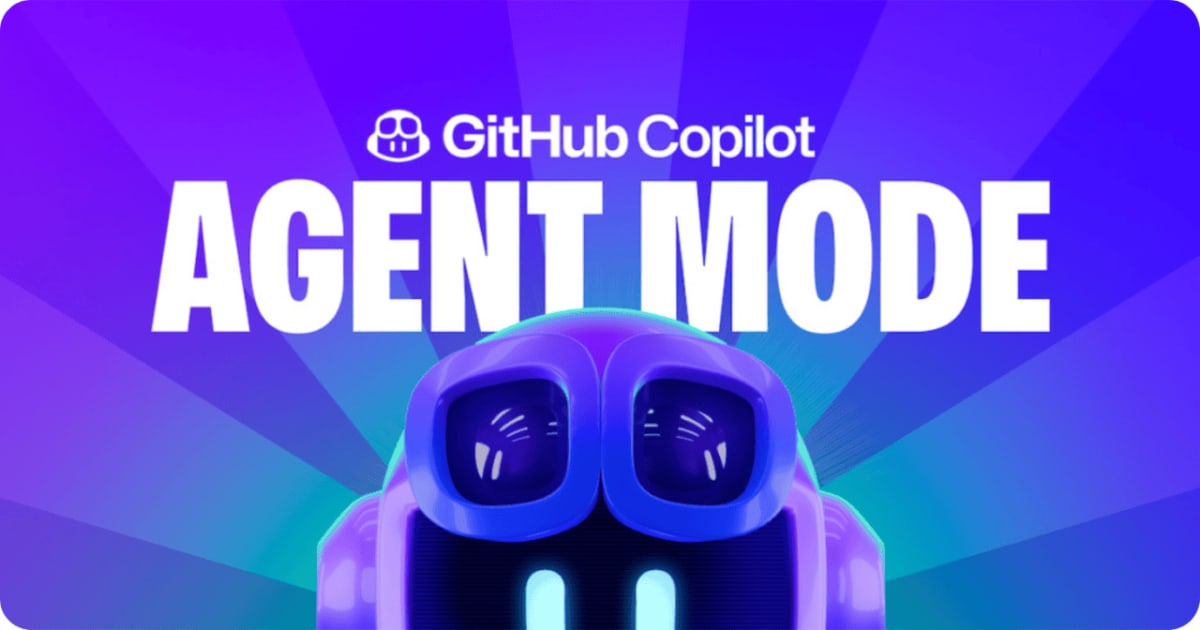
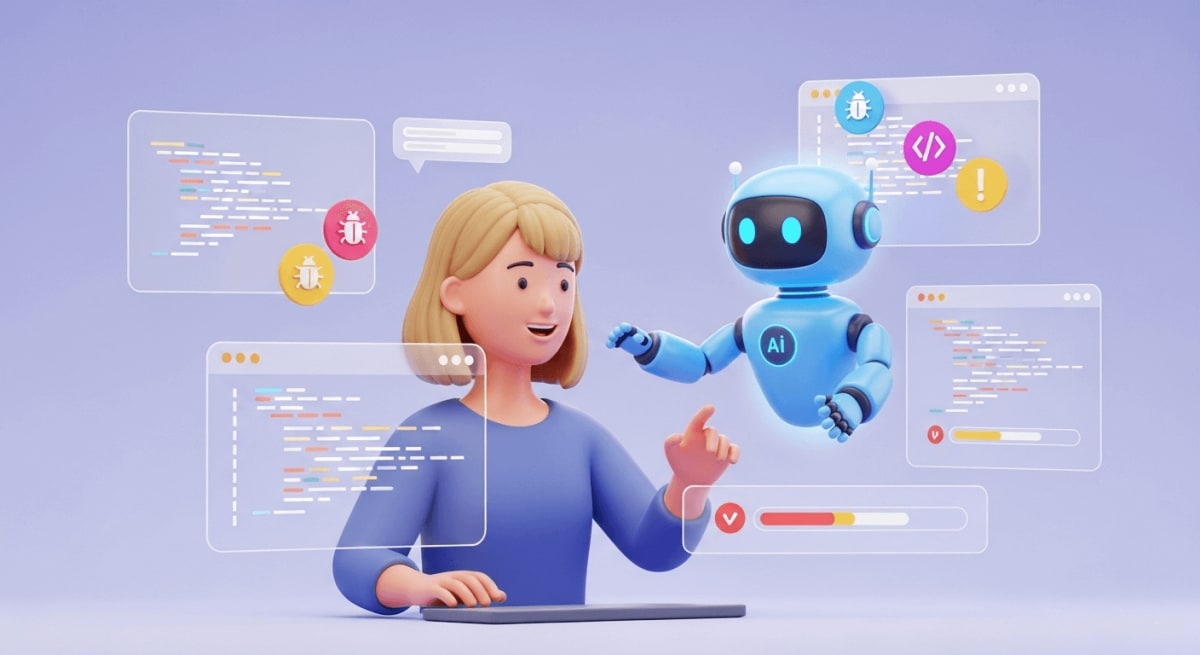
GitHub Copilot, one of the most popular AI coding assistants, has seen explosive growth with over 15 million developers using the platform by early 2025. The tool works alongside developers directly in their editors, suggesting whole lines or entire functions based on context and intent.
Productivity Gains: The Numbers Don't Lie
The productivity improvements from AI-driven development tools are substantial and measurable. McKinsey's internal empirical study of software engineering teams found that those trained to use generative AI tools rapidly reduced the time needed to generate and refactor code. More importantly, engineers reported a better work experience, citing improvements in happiness, flow, and fulfillment.
The economic impact is staggering. McKinsey predicts that AI could generate up to $23 trillion annually by 2040, with AI Software and Services having a total economic potential of $15.5 trillion to $22.9 trillion annually by that time.
Furthermore, businesses that adopt AI are projected to increase their profitability by 38% in 2025, demonstrating the immediate financial benefits of integrating AI into development workflows.
Key Areas Where AI is Transforming Development
1. Intelligent Code Generation
Modern AI code generators produce working code approximately 80-90% of the time, with the remaining output requiring only minor adjustments. This represents a significant leap from earlier versions, making AI a reliable partner in the development process.
The sophistication of these tools continues to improve. GitHub has enhanced Copilot with better AI models that resulted in a 4.5% reduction in unwanted suggestions, helping the tool better respond to each developer's unique coding style and preferences.
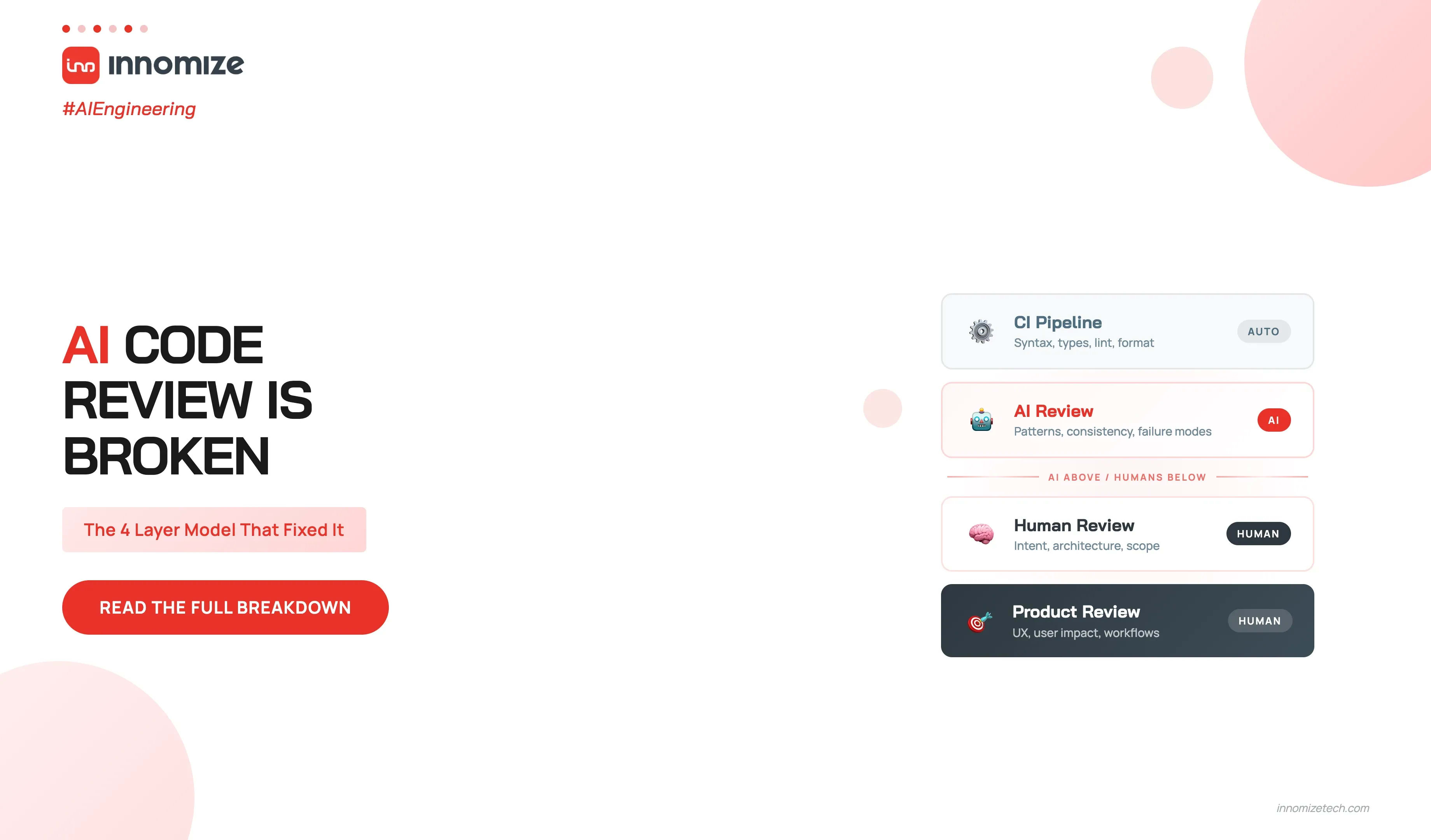
2. Automated Testing and Quality Assurance
AI's impact on testing is particularly noteworthy. Gartner predicts that by 2025, AI-powered testing will reduce the time required for test generation and execution by 70%. This shift allows for dynamic test case generation, real-time analysis, and predictive analytics.
The integration of AI and ML into DevOps processes is improving predictive analytics, automated testing, and intelligent monitoring. Self-healing automation testing is emerging as one of the biggest test automation trends in 2025, where tools can automatically repair themselves at runtime.
3. Continuous Integration and Deployment
The continuous integration tools market, currently valued at $1.4 billion, is anticipated to expand to $3.72 billion by 2029 at a CAGR of 21.18%. This growth is largely driven by AI-enhanced CI/CD pipelines that can predict failures, optimize deployments, and reduce manual intervention.
85% of organizations practicing Agile use test automation as a key enabler of their CI/CD pipelines, with AI making these processes more intelligent and efficient.
Real-World Applications and Use Cases
Enterprise AI Integration
71% of organizations regularly use generative AI in at least one business function, up from 65% in early 2024. This rapid adoption indicates that AI is no longer experimental but essential for competitive advantage.
Software companies are embedding agentic AI capabilities into their core products. In 2025, an AI agent can converse with a customer and plan subsequent actions—such as processing payments, checking for fraud, and completing shipping actions—all without human intervention.
Low-Code and No-Code Development
AI high performers are 1.6 times more likely than other organizations to engage non-technical employees in creating AI applications using emerging low-code or no-code programs. This democratization of development is accelerating AI application creation across industries.
Challenges and Considerations
Code Quality Concerns
While AI-driven development offers significant benefits, it's not without challenges. Recent research has identified concerning trends for code maintainability, with some studies finding "downward pressure on code quality" in certain implementations.
GitClear's 2025 research suggests a 4x growth in code clones, indicating that while AI can generate code quickly, ensuring uniqueness and quality remains a critical consideration.
The AI Maturity Gap
Despite the hype, only 1% of companies have actually reached AI maturity, with the rest still figuring out implementation strategies. This represents both a massive opportunity for early adopters and a serious risk for those who lag behind.
Best Practices for AI-Driven Development
1. Choose the Right Tools
With the proliferation of AI development tools, selecting the appropriate platform is crucial. GitHub offers guidance on choosing AI models for different project types, emphasizing the importance of matching tool capabilities with project requirements.
2. Implement Proper Training
Organizations should invest in training their development teams to use AI tools effectively. The Communications of the ACM case study found that proper training significantly impacts productivity gains and user satisfaction.
3. Maintain Code Quality Standards
While AI can accelerate development, maintaining rigorous code review processes and quality standards is essential. Implement automated quality checks and ensure human oversight for critical applications.
4. Consider Security and Compliance
AI-generated code should undergo the same security scrutiny as human-written code. Establish clear guidelines for AI tool usage, especially in regulated industries or when handling sensitive data.

The Future of AI-Driven Development
Emerging Trends for 2025 and Beyond
The integration of AI into software development is accelerating. Key trends include:
- Enhanced Predictive Analytics: AI will become better at predicting project timelines, potential bugs, and resource requirements
- Intelligent Code Optimization: Automatic performance optimization and refactoring suggestions
- Cross-Platform Development: AI tools that can generate code for multiple platforms simultaneously
- Natural Language Programming: Increased sophistication in converting natural language requirements into working code
Economic Impact
The economic potential is enormous. AI could transform industries by automating repetitive tasks in customer support and HR, potentially saving businesses significant costs while improving efficiency.
Preparing Your Organization for AI-Driven Development
Assessment and Strategy
Before implementing AI-driven development tools, organizations should:
- Assess Current Capabilities: Evaluate existing development processes and identify areas where AI can provide the most value
- Define Clear Objectives: Set measurable goals for AI implementation, such as productivity improvements or time-to-market reduction
- Invest in Training: Ensure development teams are properly trained on AI tools and best practices
- Establish Governance: Create policies for AI tool usage, code quality, and security
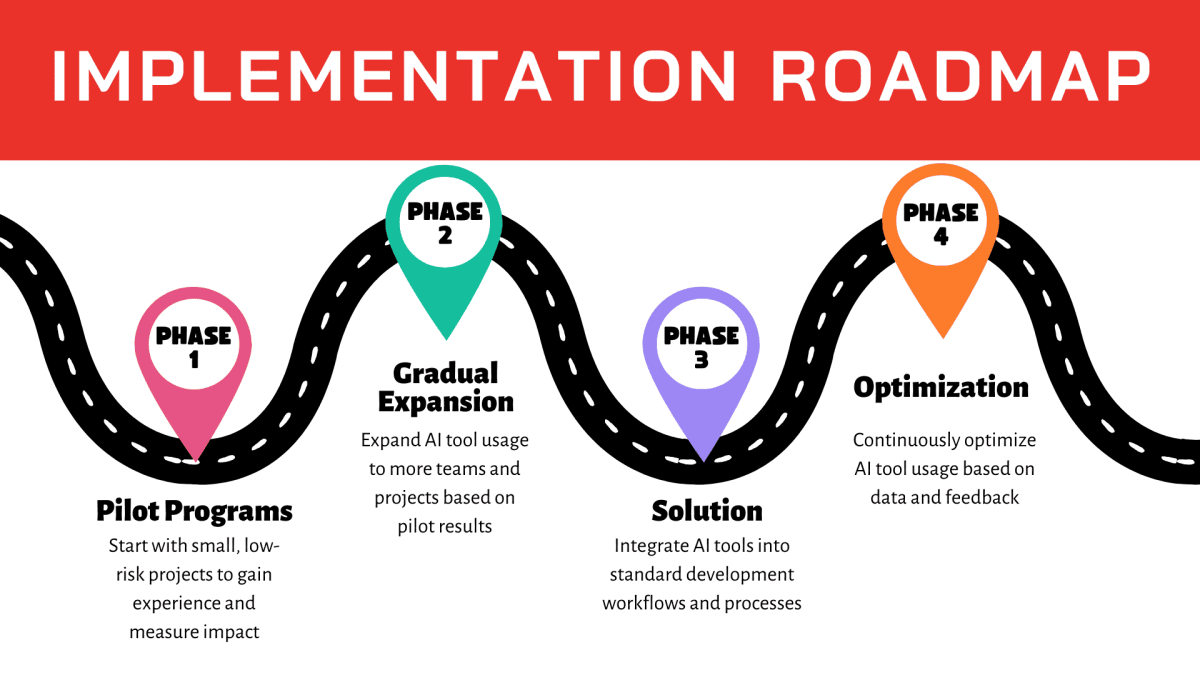
Implementation Roadmap
A phased approach to AI adoption typically yields the best results
Conclusion: Embracing the AI Revolution
AI-driven software development is not just a trend—it's the future of how we build software. With 63% of developers already using AI tools and productivity gains of up to 70% in testing alone, the competitive advantage for early adopters is clear.
However, success requires more than just adopting the latest AI tools. Organizations must approach AI-driven development strategically, focusing on training, quality standards, and clear governance frameworks. The companies that can successfully navigate this transition will find themselves with significant competitive advantages in speed, efficiency, and cost-effectiveness.
As we continue through 2025, the question isn't whether to adopt AI-driven development practices, but how quickly and effectively your organization can integrate these powerful tools into your development workflow.
Ready to revolutionize your software development process with AI? At INNOMIZE, we help organizations successfully implement AI-driven development practices while maintaining the highest standards of code quality and security. Contact us today to learn how we can accelerate your development timeline and reduce costs through intelligent automation.