Meeting Customer Experience is a Big Problem to Complex Retail Landscape.
In today's digital age, customers are more demanding than ever.
74%
of customers expect personalized experiences, instant responses, and seamless transitions between online and offline shopping.
However, many retailers struggle to meet these expectations. Customers often face frustrations like inconsistent product information, disconnected experiences between channels, and slow or unhelpful customer service.
According to PwC (2018) , 73% of consumers point to customer experience as an important factor in their purchasing decisions, yet only 49% say that companies provide a good experience today.
Managing multiple channels effectively requires significant resources, coordination, and technological expertise with businesses to grapple. Retailers must ensure that every touchpoint—whether it’s a website, mobile app, social media platform, or physical store—offers a consistent and satisfying experience.
Without the right tools, these demands can overwhelm even the most well-prepared companies, leading to lost sales and dissatisfied customers.
The Rise of Generative AI: A Game-Changer for Omnichannel Strategies
Enter generative AI, a technology that has the potential to revolutionize how businesses approach omnichannel commerce. Generative AI refers to algorithms that can create new content, such as text, images, or even entire customer experiences, based on the data they are fed. Unlike traditional AI, which relies on pre-set rules and patterns, generative AI learns and adapts, making it particularly powerful in the dynamic world of retail.
According to a study reported by Renascence (2024), companies that have integrated AI into their operations have seen a 40% increase in customer satisfaction and a 35% increase in sales growth.
In 2024, reports show that Generative AI enhances efficiency and reduces costs by more than 30% by automating business processes in commerce channels.
These figures clearly indicate one thing: AI is not just a temporary trend but a foundation for the sustainable success of retail in the future.
So, What is Omnichannel?
Omnichannel commerce is not just about being present on multiple platforms; it's about creating a cohesive experience where each channel complements the others.
Imagine this: You’re scrolling through Facebook and spot a pair of absolutely stunning shoes. You immediately open the store’s mobile app to get the details and decide to visit the nearest store to try them on and make the purchase. From seeing those shoes online to holding them in your hands, everything happens swiftly and effortlessly.
This is the smooth, uninterrupted experience retailers are striving to deliver—making your shopping journey as convenient as possible with no barriers between online and in-store channels.
Take into Action: Integrated Generative AI into Retail Channels
Personalization at Scale
One of the most exciting applications of generative AI in omnichannel commerce is its ability to personalize experiences at scale. Imagine a customer browsing an online store. Based on their browsing history, generative AI can create personalized product recommendations, craft tailored marketing messages, and even design custom visuals that resonate with the customer's preferences. This level of personalization can lead to a 20-30% increase in sales.
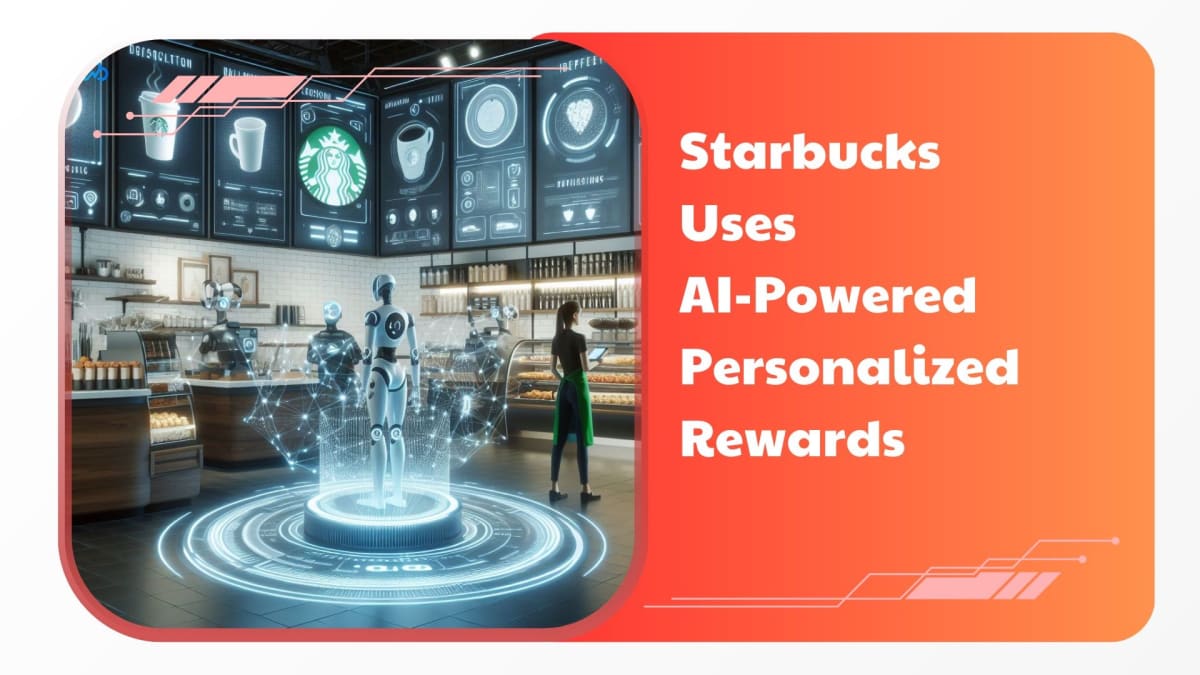
Example: Starbucks' Personalized Customer Experiences
Starbucks offers a great example of how generative AI can enhance omnichannel strategies. Using AI-powered personalization, Starbucks tailors its rewards program, marketing campaigns, and even product offerings to individual customer preferences. Whether a customer orders through the app, in-store, or via voice assistant, they receive consistent and personalized suggestions, making their experience smoother and more enjoyable.
Enhancing Customer Support
AI-driven chatbots and virtual assistants can provide instant responses to customer queries, offering support 24/7 across different platforms. These AI tools not only improve response times but also learn from each interaction, continuously enhancing their ability to assist customers.
Example: Sephora's AI-Powered Beauty Assistant
Sephora's AI-powered beauty assistant is an excellent example of this technology in action. The assistant, available on the Sephora app and website, uses AI to provide personalized product recommendations based on the customer's skin tone, preferences, and previous purchases. This integration across channels ensures that customers receive consistent support, whether they're shopping online or in-store.
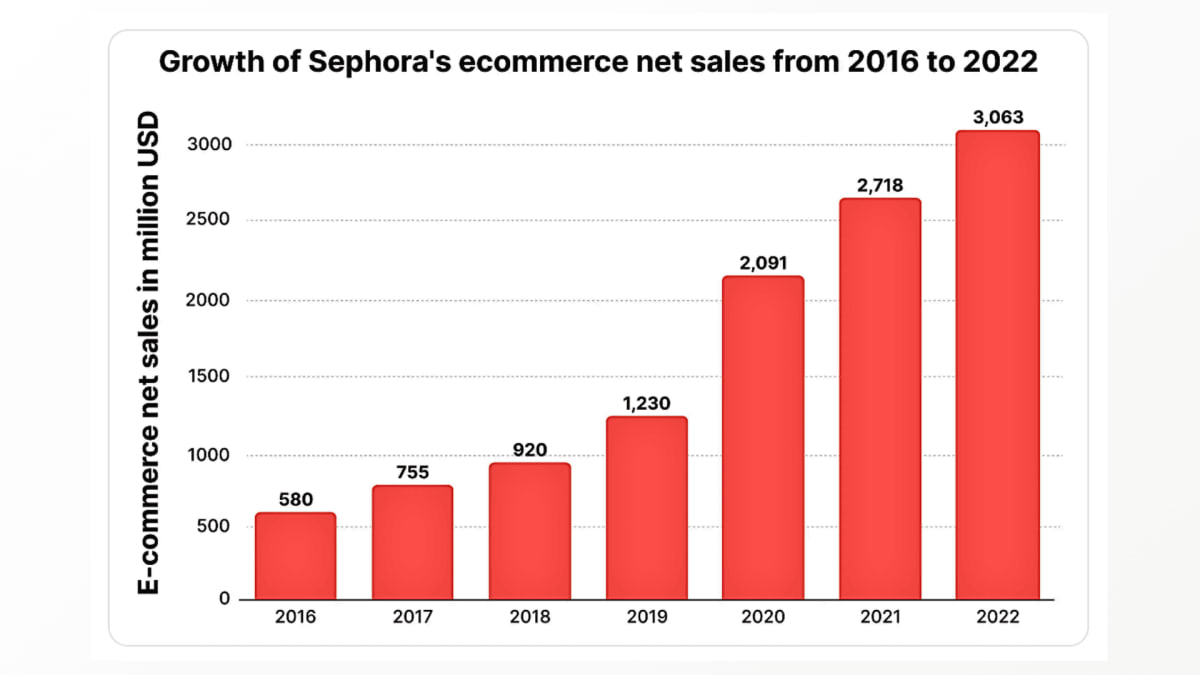
With AI and digital innovations, Sephora grew its e-commerce sales from $580M in 2016 to over $3B in 2022, a 4x increase in six years.
Looking Ahead
The future of omnichannel commerce is undoubtedly intertwined with the advancements in generative AI. As AI continues to evolve, we can expect even more sophisticated personalization, seamless integration of online and offline experiences, and innovative customer support solutions. For retailers, the key will be to harness this technology to not only meet but exceed customer expectations, driving loyalty and growth in an increasingly competitive market.
A Gartner study predicts that by 2025, 80% of customer interactions will be managed by AI, significantly reducing operational costs and improving customer satisfaction.
Conclusion
Generative AI is not just a buzzword; it's a powerful tool that is reshaping the future of omnichannel commerce. By embracing this technology, retailers can create more personalized, efficient, and satisfying customer experiences across all channels. As the examples of Starbucks and Sephora show, the potential of AI to transform the retail landscape is immense.
Takeaway: Harnessing AI for a Competitive Edge
In the rapidly evolving world of retail, the ability to integrate generative AI into omnichannel strategies isn't just an advantage—it's becoming a necessity. The brands that succeed will be those that can leverage AI to not only meet customer expectations but to anticipate and exceed them. By focusing on personalization, consistency, and innovation, retailers can build stronger connections with their customers, drive growth, and stay ahead in an increasingly competitive market.
If you’re managing large volumes of data or seeking AI-driven solutions, INNOMIZE is ready to assist. With a team of over 30 experts in Ho Chi Minh City, we specialize in Cloud Computing, Custom Software Development, UI/UX Design, and DevOps Engineering. Whether you need to scale your team, adopt emerging technologies, or speed up your time-to-market, we have the expertise to help.