The mobile app development industry is expected to continue growing at a rapid pace. As we approach 2025, businesses and developers need to stay ahead of emerging technologies and shifting consumer behaviors to ensure they meet user expectations. The global mobile application market size was valued at USD 252.89 billion in 2023 and is projected to grow at a CAGR of 14.3% from 2024 to 2030. Here’s a closer look at the key trends shaping the industry for 2025.
1. Artificial Intelligence (AI) and Machine Learning (ML) Integration
In fact, AI & ML both have dug their heels quite deeper into the mobile app market.
For the most part, AI has made itself manifest in the form of chatbots, while Siri, the combination of ML as well as AI is now a very much part of mobile app innovations that cannot be separated now.
In 2025, the power of AI & ML will not be just limited to traditional applications such as predictive analytics and data processing. Many organizations have already started embracing these technologies to grow profitability as well as decrease operational expenses in various forms. According to IDC, 65% of workers who are using ERP solutions will now leverage the capabilities of AI to expand their proficiency in the workplace by late 2026.
This means, not only AI & MI have deep roots in today’s mobile apps, but they have a significant opportunity for innovation in the future as well. This is why a need for easy-to-use tools, which make sense for the app developers and not just for the data scientists, is emerging rapidly.
Future trends of AI & ML that you may see:
2. 5G Connectivity: A Game Changer for Mobile Apps
The global 5G mobile services market, valued at USD 86.22 billion in 2023, is expected to grow at a CAGR of 57.4% during 2023–2031. With the rollout of 5G networks, mobile apps will benefit from faster data speeds, low latency, and more reliable connectivity. This will enable richer experiences, including enhanced AR/VR applications, real-time data processing, and high-quality video streaming. Industries such as gaming, e-commerce, and healthcare will experience particularly significant improvements in app performance as 5G becomes more widely available.
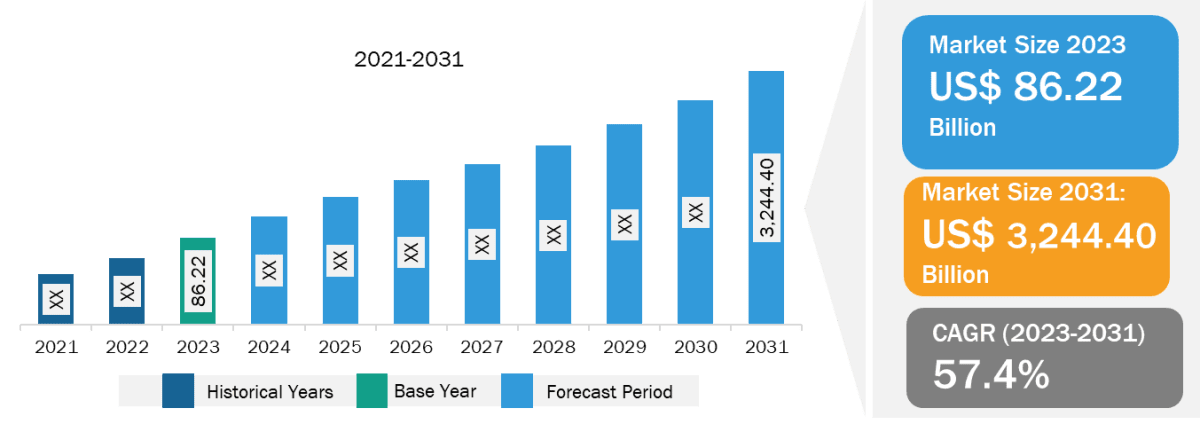
Source: Prediction of The global 5G mobile services market by 2023-2031 (GlobeNewswire, 2024)
3. Augmented Reality (AR) and Virtual Reality (VR)
AR and VR adoption in mobile apps has already been growing steadily, and the trend is set to expand even further. According to a report by Verified Market Report, the AR/VR market will reach approximately USD 209.2 billion, growing at a CAGR of 48.8% from 2022 to 2029, driven by increasing demand in mobile applications. Expect to see AR integrated into apps for shopping, education, healthcare, and gaming.
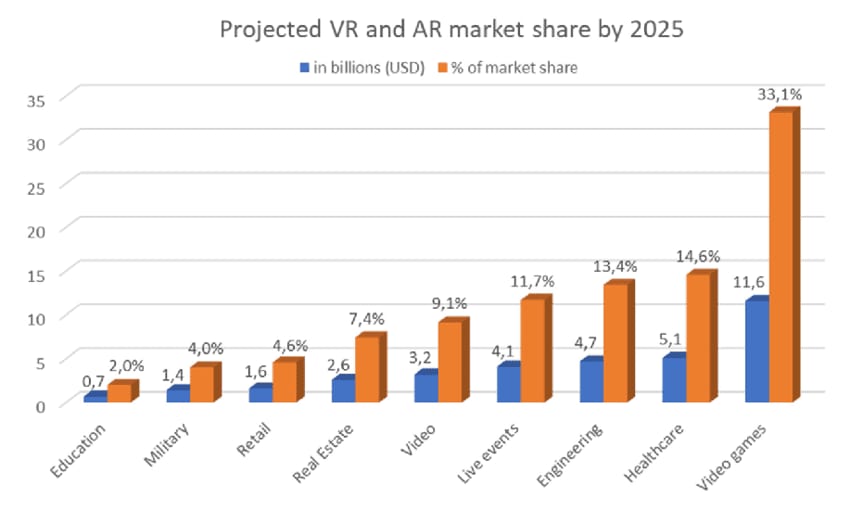
Source: Projected VR and AR market share by 2025 (Evangelos, 2020)
As can be seen from the data, we can see that video games are the apps being applied by VR and AR the most. For example, users will be able to try on virtual clothes, view 3D models of products, or engage in interactive educational experiences—all within mobile apps. The rise of 5G will further fuel this trend, making these experiences smoother and more immersive.
At its annual developer conference this year, Google demonstrated how AR enhances real-world navigation in its Maps app. By overlaying interactive elements on the camera view, the app provides users with clearer directions and a more intuitive experience. Beyond navigation, AR and VR are also expected to shape social media marketing, allowing brands to engage users in more immersive ways. Platforms like Snapchat and Instagram have already leveraged this technology with AR filters that apply real-time effects, turning faces into animated characters or digital avatars for interactive content creation.
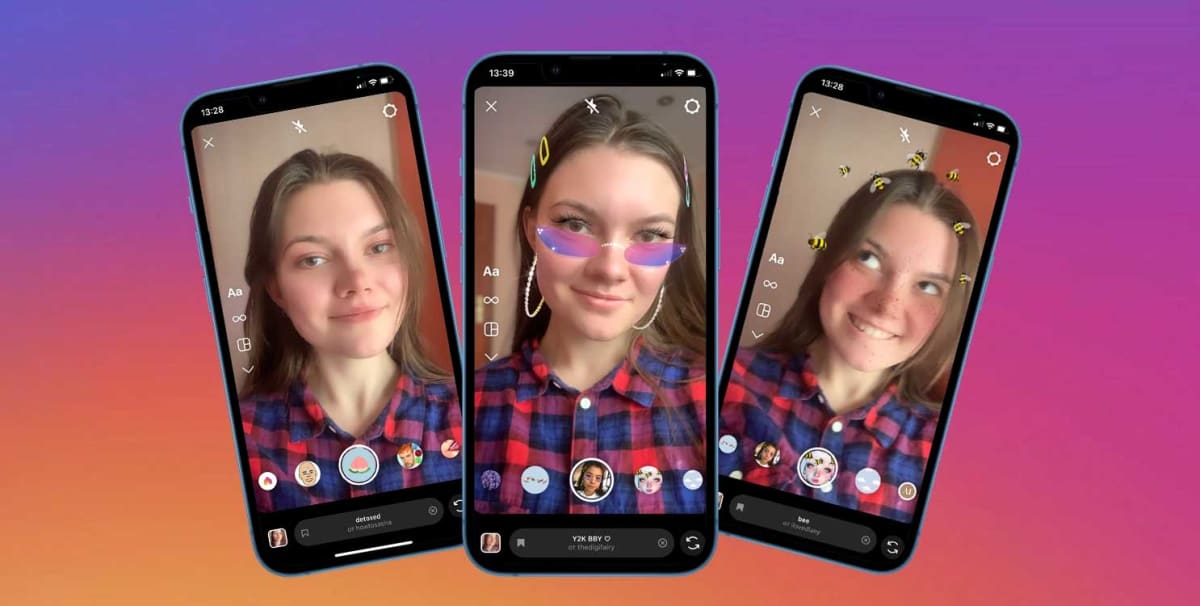
Future mobile trends for AR & VR:
- Mobile AR disruption
- AR in marketing & advertising
- AR in healthcare
- AR in manufacturing
4. No-Code and Low-Code Development Platforms
The no-code and low-code development market has grown rapidly, with the market size expected to reach USD 45.5 billion by 2025, growing at a CAGR of 28.1%. These platforms enable businesses to develop mobile apps without requiring advanced coding skills, allowing for faster and more cost-effective app creation. By 2025, we can expect that 70% of new apps built by enterprises would leverage no-code and low-code platforms to develop apps for internal use or customer-facing applications. This will democratize app development, enabling entrepreneurs and smaller businesses to compete with larger players in the market.
5. Wearable & Foldable Technology Integration
The wearable technology market is projected to reach USD 70.91 billion by 2025, growing at a CAGR of 20.8% from 2016 to 2025 according to a new report published by The Insight Partners. With more consumers using devices like smartwatches, fitness trackers, and smart glasses, mobile apps will continue to integrate with wearable tech to provide a seamless, connected experience. Health and fitness apps, in particular, will benefit from this trend, offering real-time data analysis, health monitoring, and customized recommendations based on users’ wearable devices.

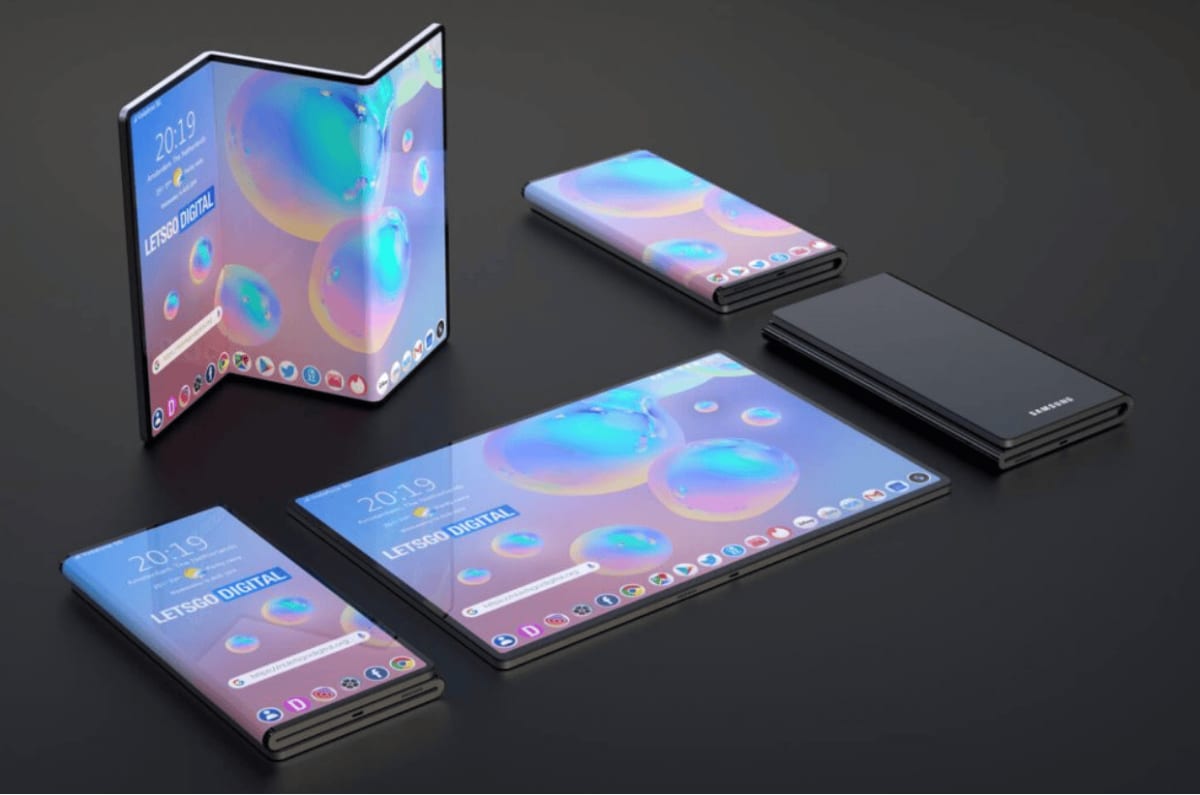
Foldable devices are also regaining popularity, starting with the launch of the Samsung Galaxy Fold. As this trend grows, development companies are adapting their design strategies to accommodate these devices. Apps must now meet several technical requirements, including resizable interfaces, compatibility with different screen ratios, and support for multi-screen and multi-resume functionality to ensure seamless user experiences.
6. Blockchain for Mobile Apps
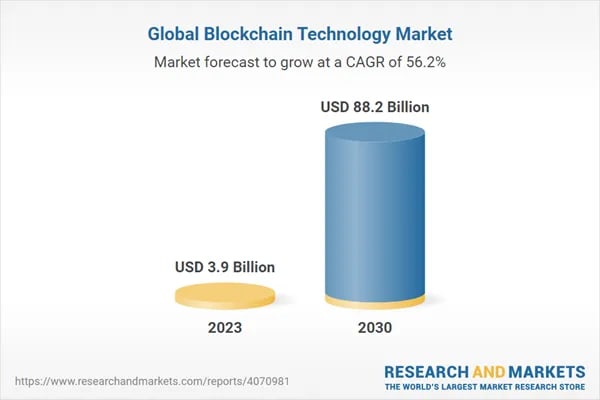
Blockchain technology is gaining momentum beyond cryptocurrencies, and by 2025, it’s expected that the global blockchain technology market size is expected to reach at USD 3.9 Billion in 2023 and is projected to reach USD 88.2 Billion by 2030, growing at a CAGR of 56.2% from 2023 to 2030.
Blockchain technology enables the development of decentralized mobile applications (DApps), which operate without a central authority and cannot be shut down or experience downtime. Just as Bitcoin’s blockchain revolutionized digital transactions, blockchain is set to reshape the mobile app industry by introducing decentralization.
Industries such as finance, healthcare, and supply chain management stand to gain from blockchain’s security and transparency. From secure transactions and identity verification to decentralized data storage, blockchain opens new opportunities for mobile app developers and businesses seeking to integrate this technology.
Future trends of blockchain technology:
- Asset tokenization
- Trading on the crypto-currencies exchange
- Crypto space and gaming
- BAAS (Blockchain-as-a-service)
7. On-Demand Apps
The on-demand business model was once thought to be just a short-term trend, but now it plays a big role in digital services. Many industries have already adopted it, and its influence keeps growing. As customer needs change, businesses will continue to rely on on-demand services to stay competitive.
According to statistics, 42% of the adult population has used at least one on-demand service. And, there is no evidence that this on-demand trend is going to fade away anytime soon.
On-demand app development is still growing, and businesses that don’t keep up may lose to their competitors.
On-demand trends in 2025:
- More industries to embrace On-demand applications
- More focus on the B2B sector
8. Beacon Technology
Beacon technology, which relies on Bluetooth Low Energy (BLE), is playing a growing role in mobile app development. It allows businesses to send real-time, location-based notifications to nearby devices, creating more personalized and interactive experiences.
Retailers use beacons to send special offers or product recommendations when customers are in their stores. Airports provide navigation assistance, while museums offer guided tours with additional content. In healthcare, beacons help track medical equipment and improve patient care.
With advancements like AI-powered beacons and mobile payment integrations, this technology is expected to further enhance user engagement across industries, making it a key trend in mobile development.
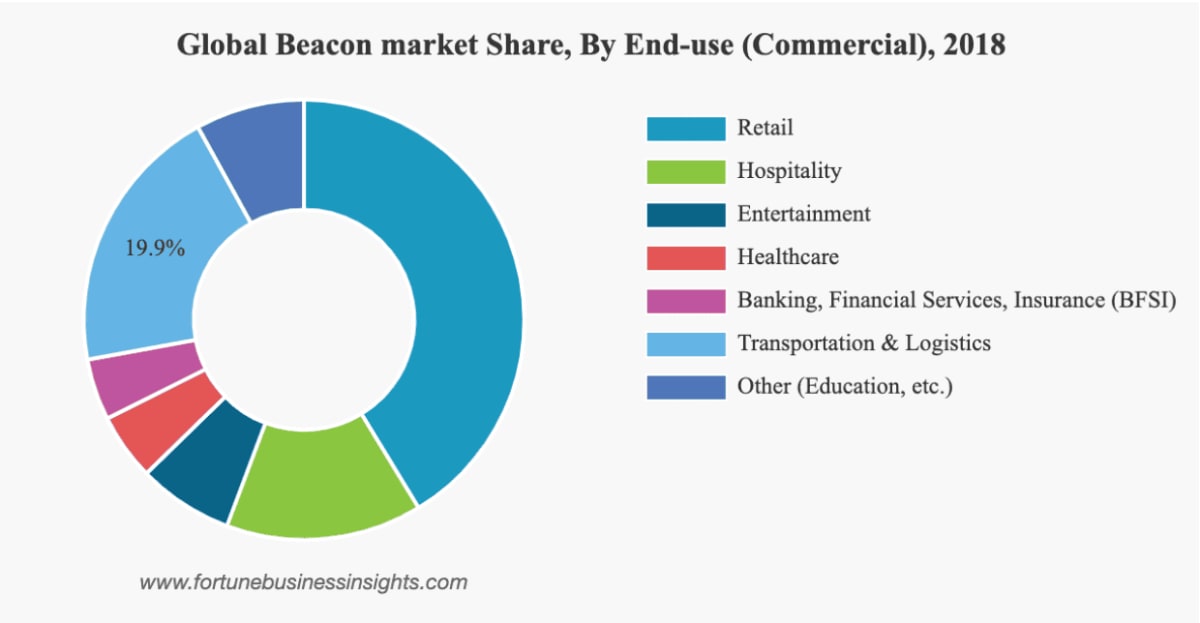
Source: Global Beacon market Share (FortuneBusinessInsights, 2025)
The global beacon market was valued at USD 1.36 billion in 2018, with a CAGR of 48.9% anticipated throughout the forecast period. The market is expected to grow significantly, reaching USD 31.61 billion by 2026 and surging further to USD 231.36 billion by 2031.
Retailers use beacons to offer personalized deals and product suggestions while customers shop, while museums and airports provide guided navigation and extra content to improve visitor experiences. These real-time, location-based interactions help businesses build stronger connections with users.
New trends in beacon technology include mobile payment beacons for faster transactions and AI-powered chips that make interactions even smarter. Features like beacon treasure hunts turn apps into engaging experiences, boosting customer loyalty. Meanwhile, machine learning advancements are making beacon notifications more precise and effective.
With the growing demand for instant, location-aware content, beacon technology is becoming a key part of mobile app development, helping businesses create more interactive and personalized experiences.
9. Cross-Platform Development: One Codebase, Multiple Platforms
Cross-platform app development has become a preferred choice for businesses aiming to reach a wider audience. The global cross-platform development market is expected to grow from USD 15.67 Billion in 2025 to USD 42.60 Billion by 2034, exhibiting a CAGR of 11.75%. With frameworks like Flutter and React Native, developers can now write one codebase and deploy it across both iOS and Android, reducing costs and development time. This trend will continue to grow, as businesses seek to streamline their app development processes and reach consumers on multiple platforms without additional overhead.
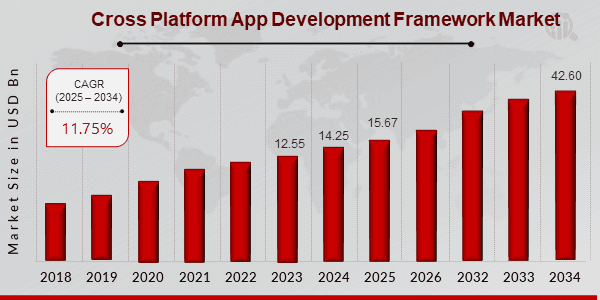
Source: Cross Platform App Development Market (MarketResearchFuture, 2025)
10. Predictive Analytics
Predictive analytics combines artificial intelligence, data mining, and machine learning to anticipate user behavior, allowing businesses to enhance mobile app experiences. By analyzing past user interactions, developers can create more personalized and dynamic applications that adapt to individual preferences. This technology helps improve user engagement, retention rates, and overall satisfaction by offering content and features that align with what users need.
Many industries use predictive analytics to optimize app performance and customer experiences. Businesses can leverage it for personalized marketing, real-time recommendations, and content adaptation. E-commerce apps, for instance, suggest products based on browsing history, while financial apps detect unusual spending patterns to enhance security.
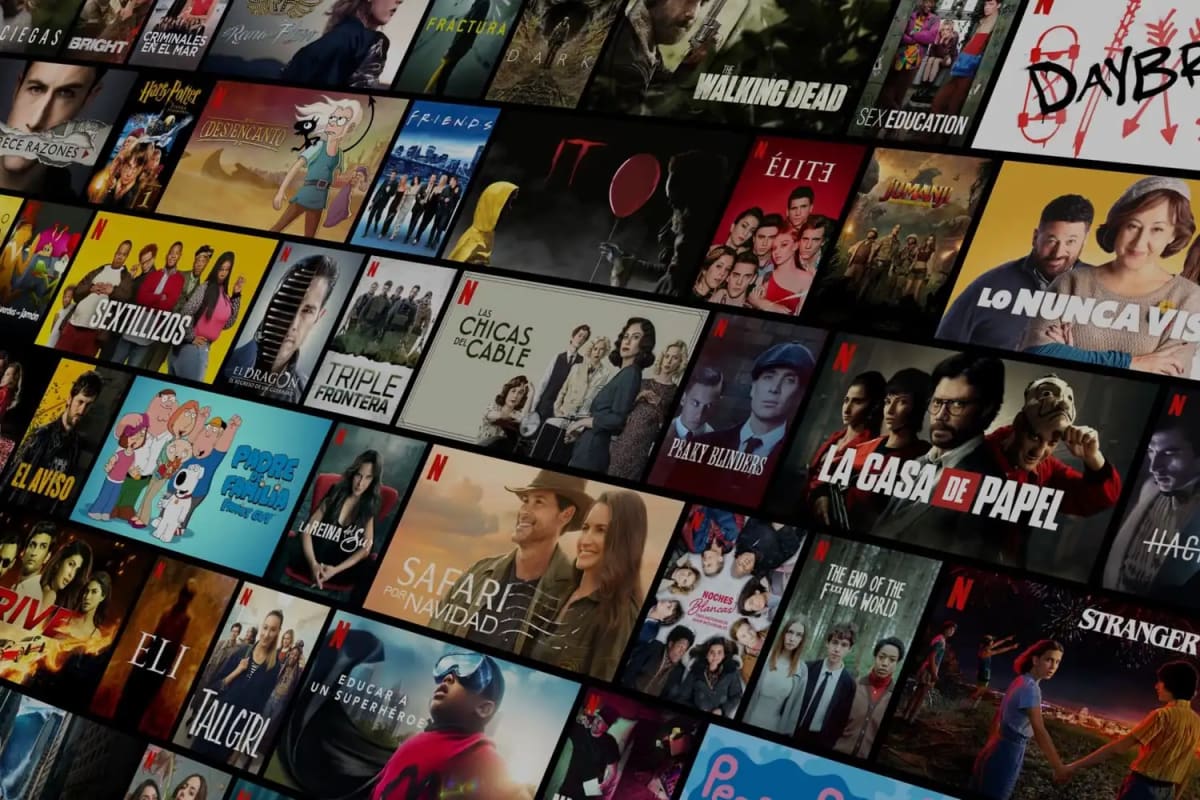
A well-known example is Netflix’s recommendation engine, which has used predictive analytics since 2013 to analyze viewing habits and suggest content that matches individual tastes. This system has played a key role in increasing user engagement and retention. As predictive analytics continues to evolve, it is set to become an essential tool in mobile app development, helping businesses refine their strategies and provide smarter, more personalized experiences.
As we approach 2025, predictive analytics will become an integral part of mobile app development. It will help developers and businesses harness user data to create more personalized, intuitive journeys that foster higher levels of customer loyalty. This data-driven approach will not only enhance user experiences but also build lasting relationships between businesses and their customers.
11. App Security: Stronger, Smarter, and More Proactive
Security remains a significant concern for mobile app developers, especially as apps handle increasingly sensitive data. The global mobile security market size was estimated at USD 8.37 billion in 2023 and is projected to grow at a CAGR of 20.5% from 2024 to 2030. App developers will need to integrate cutting-edge security measures, including biometric authentication, end-to-end encryption, and AI-driven fraud detection systems. Proactive security will be a key differentiator for apps in 2025, as users will demand safer experiences.
12. Mobile wallets
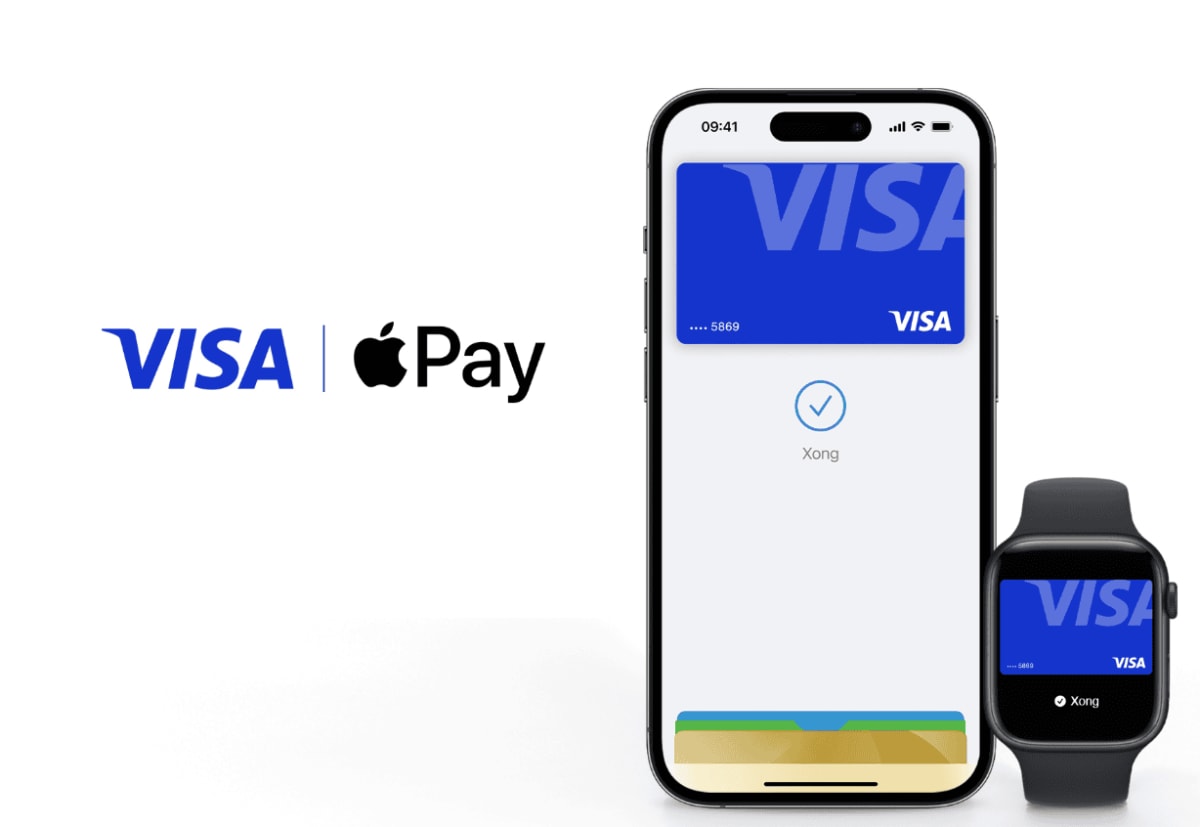
Digital wallets like Apple Pay, Google Pay, and Samsung Pay are changing the way people make transactions. Using contactless payment technology such as near-field communication (NFC) and QR codes, these wallets allow fast and convenient payments without needing physical cash or cards. The growing acceptance of cryptocurrency payments is also adding new options for digital transactions, making the payment landscape even more diverse.
Security and ease of use are key priorities in mobile payments. Features like biometric authentication and tap-to-pay technology help protect users from fraud while making transactions quicker and more convenient. Many digital wallets are now integrated into peer-to-peer payment networks, ensuring a safer and more seamless payment process.
Wearable devices, such as smartwatches, are further expanding mobile payment options. Users can now pay directly from their wrists without reaching for their phones. With mobile-first banking solutions becoming more common in wearable tech, digital payments are becoming even more accessible.
By 2025, digital wallet integration is expected to be a standard feature in mobile apps. Developers will need to ensure smooth, secure payment experiences across different devices, keeping up with the growing demand for cashless transactions.
Conclusion
The mobile app development landscape for 2025 is poised to be one of the most transformative in recent years. As technologies like AI, 5G, AR/VR, and blockchain continue to evolve, mobile apps will become more intelligent, connected, and secure. With data-backed growth projections and shifting consumer preferences, businesses and developers who stay ahead of these trends will be able to deliver innovative, personalized, and sustainable app experiences. By embracing these developments, the mobile app industry will shape the future of how we interact with technology in our daily lives.
How INNOMIZE Can Help
Keeping up with mobile app trends isn’t just about following the latest technology—it’s about making the right decisions at the right time. Businesses that successfully integrate AI, optimize for 5G, or enhance security with blockchain aren’t just adapting; they’re staying ahead of the curve. But turning these possibilities into a working, high-performing app requires expertise, careful execution, and a deep understanding of user expectations.
At INNOMIZE, we’ve helped businesses navigate these shifts, building apps that aren’t just functional but future-ready. Whether it’s leveraging AI for smarter personalization, designing seamless cross-platform experiences, or ensuring scalability with cloud-based solutions, we focus on what truly makes a difference. If you’re exploring how to bring your app idea to life—or upgrade an existing one to match the trends shaping 2025—we’re here to help.
Let’s create something built to last. Reach out to INNOMIZE and let’s talk about your next mobile app.