There are two common outsourcing business models to consider when you are working with an IT offshore partner : Fixed Price and Dedicated Team. Understanding the benefits and challenges associated with each model is crucial for companies aiming to optimize their outsourcing decisions in software development.
Outsourcing Business Models : Fixed Price VS. Dedicated Team

Fixed Price Model
The fixed price outsourcing model is a well-defined approach where the service provider and the client agree on a predetermined project scope and a fixed budget. This model is ideal for projects with clear and stable requirements, as the scope of work is agreed upon before the project begins.
This engagement model is optimal for businesses seeking specialized skills for short-term initiatives, allowing for flexibility in managing resources and costs. Fixed price model offers distinct advantages, including cost-effectiveness by paying for project-specific tasks and access to diverse skill sets that might not be available in-house. Moreover, it facilitates scalability, enabling companies to adjust outsourcing needs based on project requirements.
However, challenges can arise in terms of aligning the outsourcing provider's deliverables with the client's long-term software development goals. Communication gaps and potential inconsistencies may emerge, particularly if project specifications evolve during the development process, necessitating a robust communication strategy and meticulous project management to ensure successful project delivery.
Changes in client requirements can lead to scope creep, where the project's scope expands beyond the initial agreement.
Clearly define the project scope in the initial contract and document any changes requested by the client. Implement a formal change management process where any additional work is documented, approved, and added to the project scope with corresponding adjustments in timeline and budget.
Here are some key points to consider about the Fixed Price model:
👉 Predictable Budget: One of the main advantages of the fixed price model is that it offers predictability. Clients know exactly how much the project will cost, making it easier to budget and plan finances.
👉 Defined Scope: The project scope, requirements, and deadlines are clearly outlined before the project starts, reducing the risk of scope creep and ensuring that both parties are on the same page.
👉 Limited Flexibility: While the fixed price model offers predictability, it lacks flexibility. Any changes or additions to the scope may result in additional costs and delays.
👉 Higher Risk for Service Provider: Service providers take on the risk of completing the project within the fixed budget, which can lead to compromised quality if not managed properly.
Dedicated Team Model
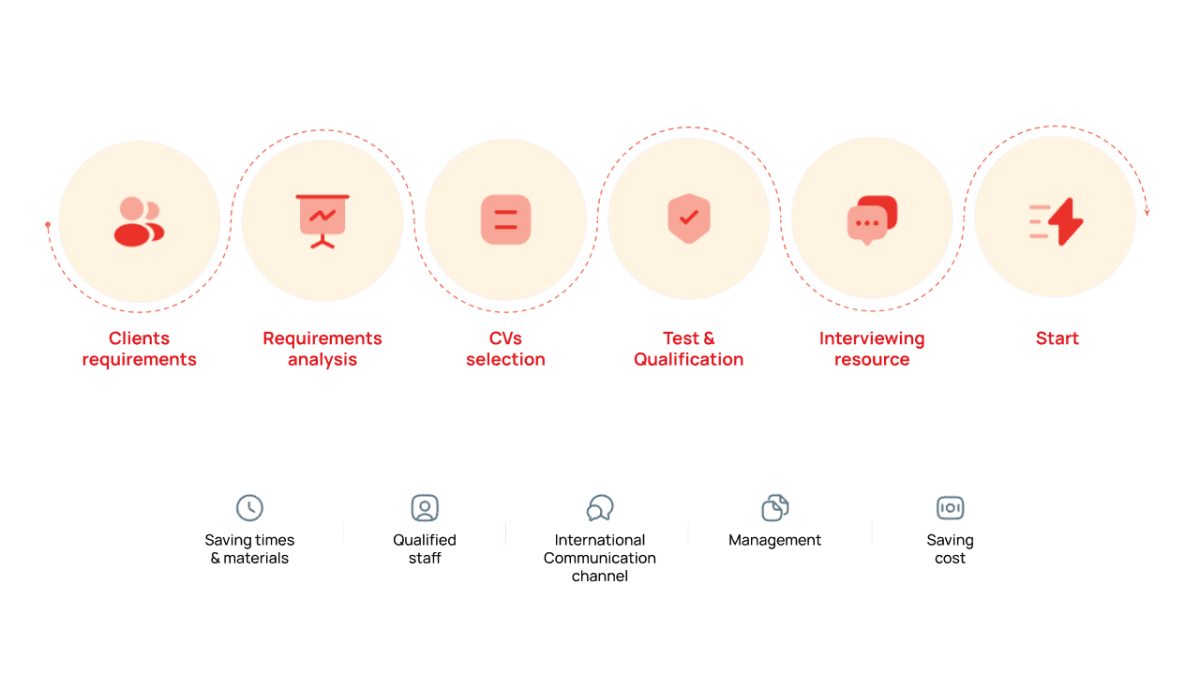
Conversely, the dedicated team model involves establishing a long-term partnership with an external team dedicated exclusively to the client's software development projects. This model is advantageous for businesses requiring continuous support, ongoing software development, and maintenance. By integrating seamlessly with the client's internal processes, this business model fosters a sense of ownership and accountability, aligning the external team's efforts with the client's overarching business objectives.
Dedicated teams offer a collaborative environment, allowing for real-time adjustments, streamlined communication, and enhanced productivity. The increased control over the project's direction enables businesses to make necessary modifications promptly, resulting in improved efficiency and reduced time-to-market for software products.
However, initiating a dedicated team outsourcing model may require a more substantial initial investment compared to the project-based process. Establishing effective communication channels, fostering a cohesive team culture, and maintaining alignment with the client's software development vision are critical components for ensuring the success of a dedicated team engagement.
Here are some key points to consider about the Dedicated Team model:
👉 Flexibility and Scalability: Dedicated teams offer flexibility, allowing you to scale resources up or down based on project requirements. This agility is especially beneficial for long-term or complex projects with evolving needs.
👉 Direct Control and Collaboration: You have direct control over the team, which fosters collaboration and allows you to integrate the team seamlessly into your existing workflows.
👉 Continuous Communication: Regular communication between your in-house team and the dedicated team ensures alignment, transparency, and a deep understanding of your business objectives.
👉 Shared Responsibility: Both the client and the service provider share the responsibility for the project’s success. This collaborative approach often leads to better outcomes and higher quality results.
Choosing the Ideal Business Model
Selecting the most suitable outsourcing engagement model depends on the specific requirements, scope, and duration of the project. For short-term and well-defined software development projects, the project-based model is cost-effective and flexible. In contrast, the dedicated team model is preferable for long-term projects demanding continuous development and maintenance, fostering a collaborative and integrated software development process.
👉 Project Complexity: For simple and well-defined projects, a fixed price model might be suitable. However, for complex, long-term initiatives with evolving requirements, a dedicated team model offers the flexibility needed for success.
👉 Budget Constraints: If you have a strict budget and clear project requirements, a fixed price model provides cost predictability. Alternatively, if you can allocate a larger budget for ongoing development and collaboration, a dedicated team might be the better choice.
👉 Long-term Goals: Consider your long-term business objectives. If you anticipate the need for ongoing development, maintenance, and support, a dedicated team can provide continuity and consistent quality over time.
👉 Communication and Collaboration: Evaluate your communication preferences and the level of collaboration required. If you prefer direct involvement and seamless integration with your team, a dedicated team model is the way to go.
Conclusion
In the IT industry, both project-based and dedicated team models offer unique benefits and challenges. Businesses must meticulously assess their software development requirements, budget constraints, and long-term objectives to determine the most appropriate outsourcing model. Effective communication, strategic planning, and fostering a collaborative work environment are imperative for ensuring successful outcomes in software project development outsourcing engagements. By aligning the chosen model with their unique business needs, companies can achieve greater efficiency, improved productivity, and accelerated growth in the competitive software development market.

At INNOMIZE, we prioritize your needs and goals, tailoring our solutions to meet your specific requirements. Our customer-centric approach ensures that you receive personalized attention and the best possible outcomes.
Read now our client's testimonials on Clutch, we will work alongside as your offshore dedicated team, to develop your business' success.